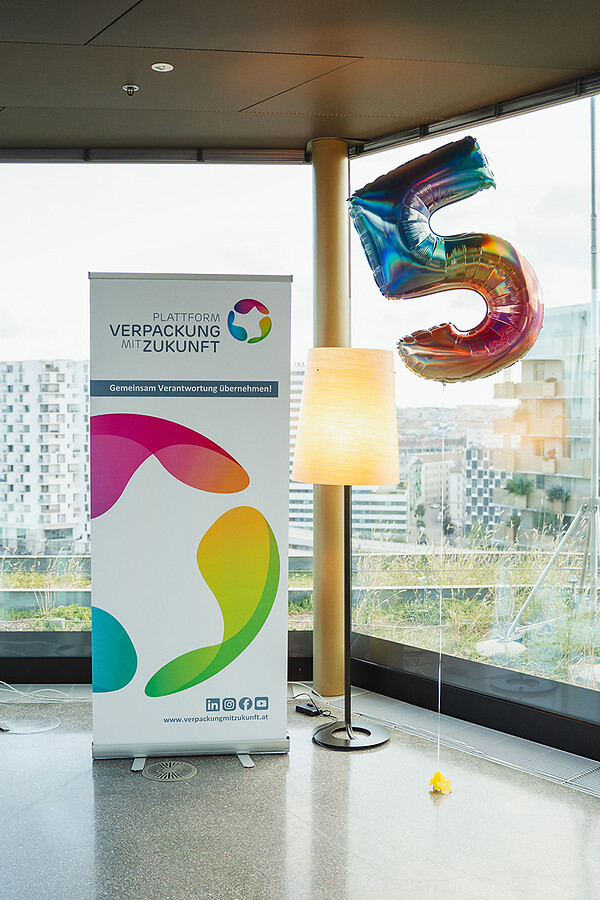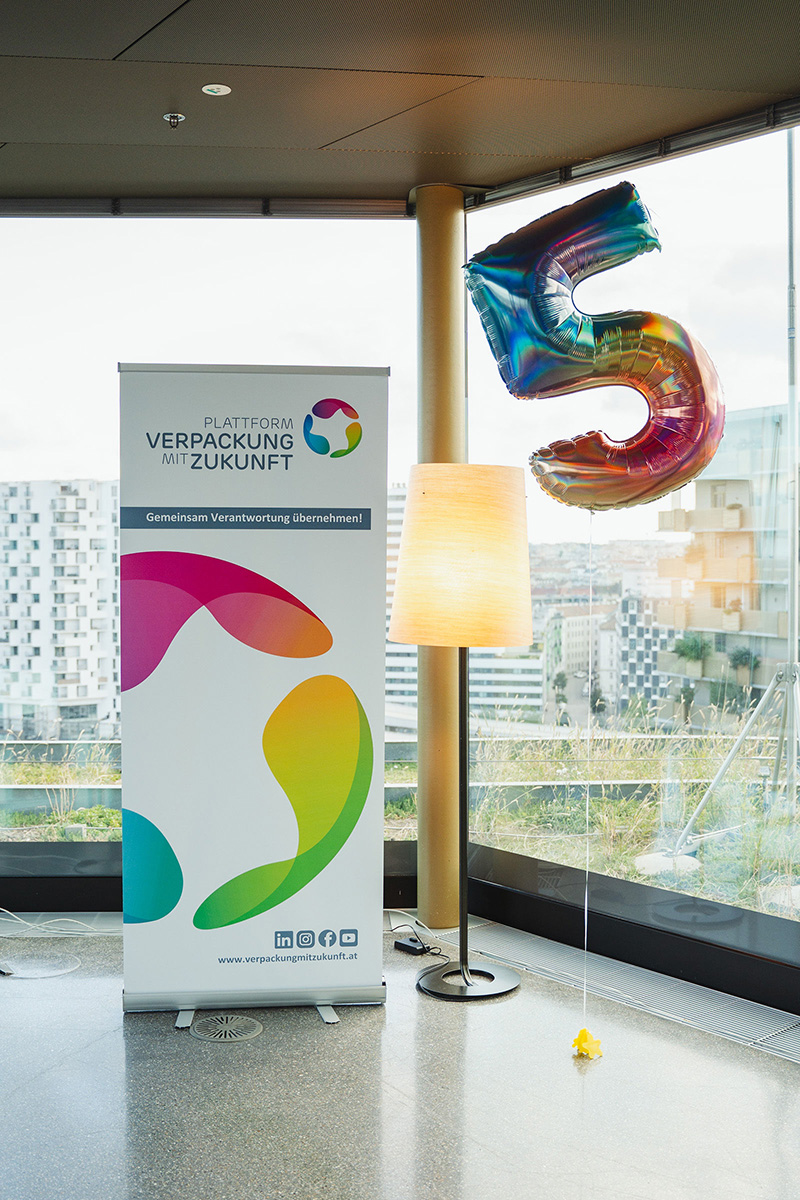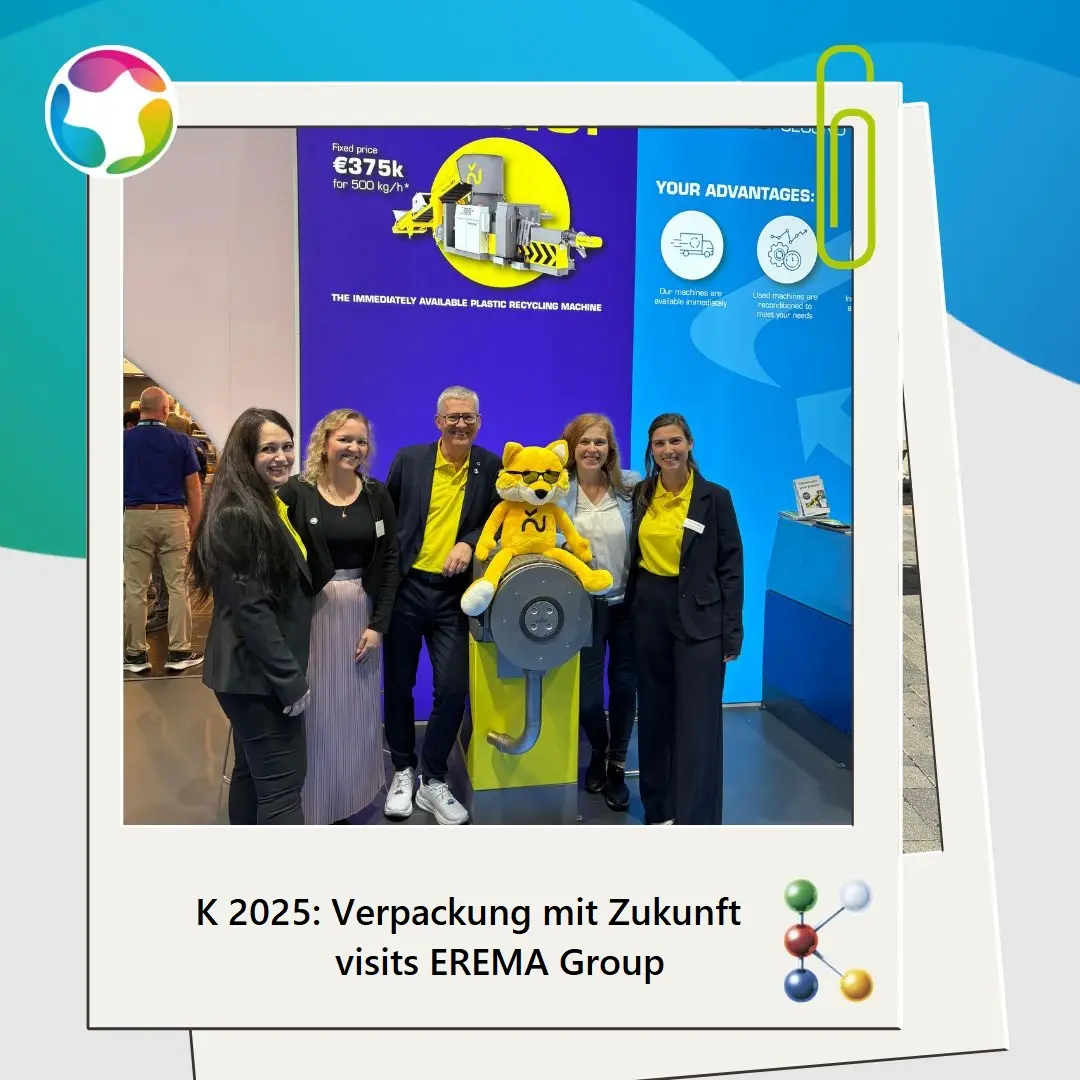
Packaging plays a key role in protecting products and ensuring their shelf life. However, it is also at the centre of an ongoing discussion about resources, waste, and environmental impact – particularly when it is made of plastic. Finding the right balance between functionality and sustainability requires collaboration across the entire value chain. This is where the Austrian platform “Verpackung mit Zukunft” (Packaging with a Future) comes in. On the occasion of the platform's 5th anniversary, EREMA Group CEO Manfred Hackl shares his perspective on how the packaging industry is evolving and why collaboration and innovation are essential for the future.
The “Verpackung mit Zukunft” platform brings together committed companies along the entire packaging value chain – from raw material processors and packaging manufacturers to brand owners, retailers and recycling technology providers. The goal is to foster constructive, fact-based dialogue and to combine existing solutions into holistic approaches that benefit products, consumers and the environment.
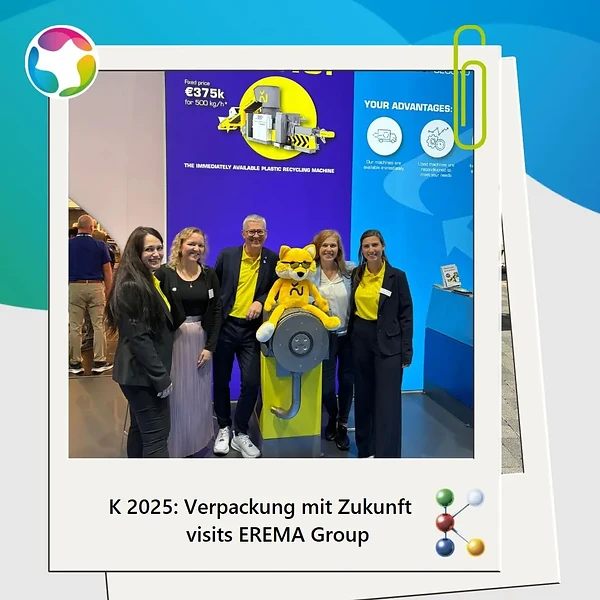
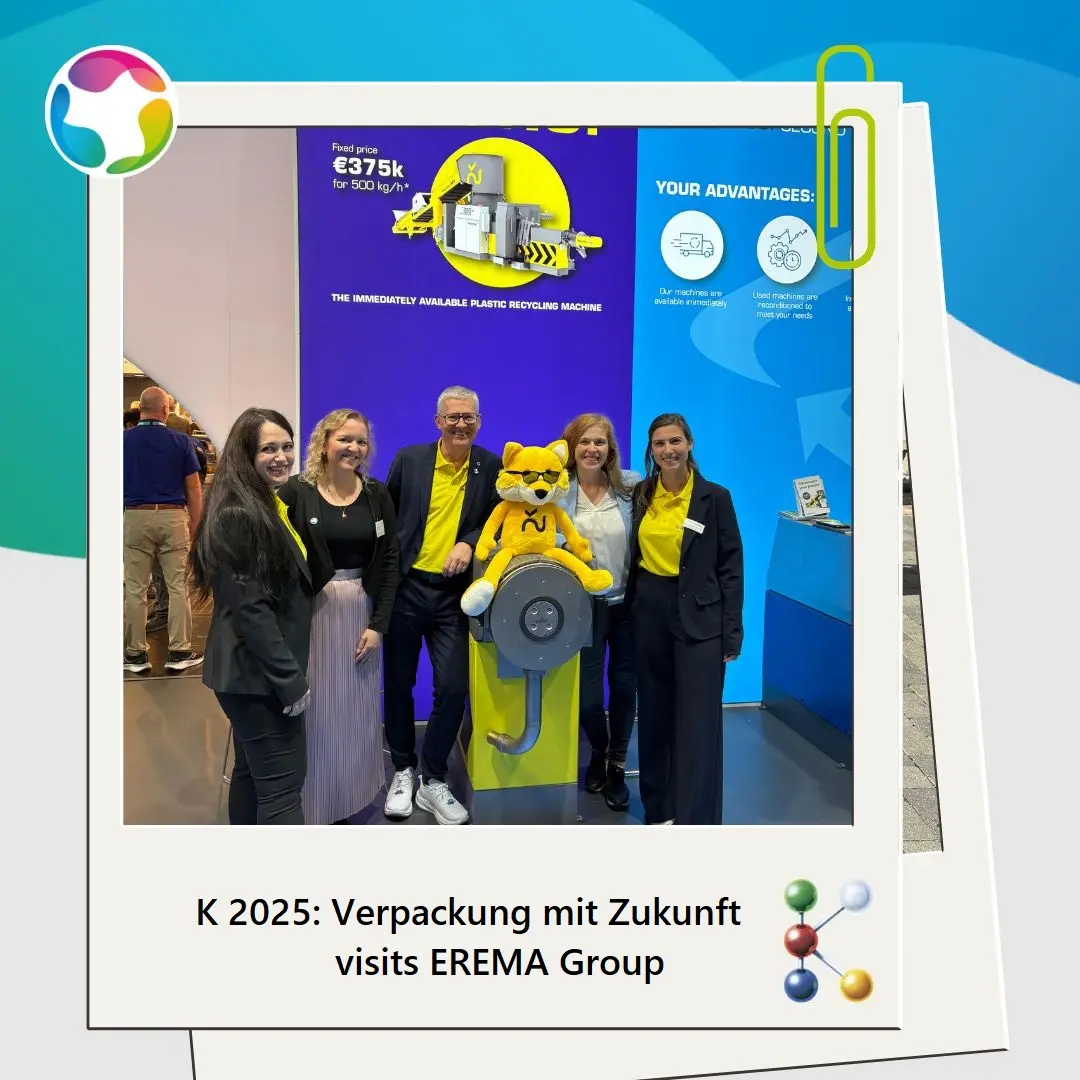
As a founding member of the platform, EREMA Group contributes its expertise as a technology leader in plastics recycling. In the following interview, CEO Manfred Hackl shares his insights on the evolution of the packaging industry, the trends shaping it, and the importance of collaboration to make the future of packaging more sustainable.
What motivated you to become a founding member of the platform “Verpackung mit Zukunft”?
We co-founded the platform because we felt that the public discussion around packaging was too one-sided and emotional. Our aim was to bring more objectivity into the conversation. Packaging solutions – regardless of the material, whether paper, glass, or plastic – should be evaluated based on their overall performance, considering factors such as functionality, carbon footprint, and user convenience.
As a company developing recycling solutions for plastics, we see it as our responsibility to raise awareness about the sensible use of packaging materials. When properly designed, plastic is a valuable raw material that can make a significant contribution to a functioning circular economy. The platform supports this understanding, which is why we continue to see it as a valuable initiative.
What developments have shaped the packaging industry over the past five years?
Society has come to realize – not least due to the COVID-19 pandemic – that plastics is a valuable material for packaging. The key issue is not the material itself, but how responsibly it is used. It is encouraging that growing societal and political pressure has led to efforts to reduce packaging waste and increase collection and recycling rates.
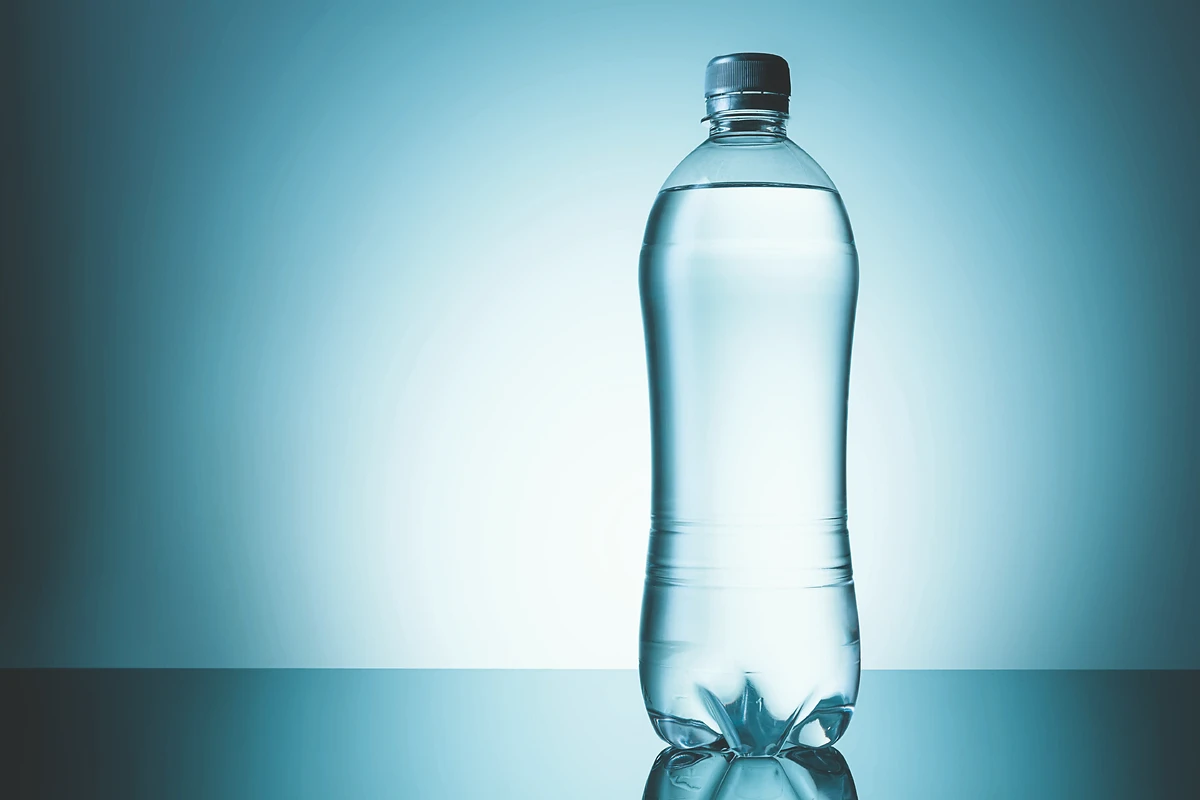
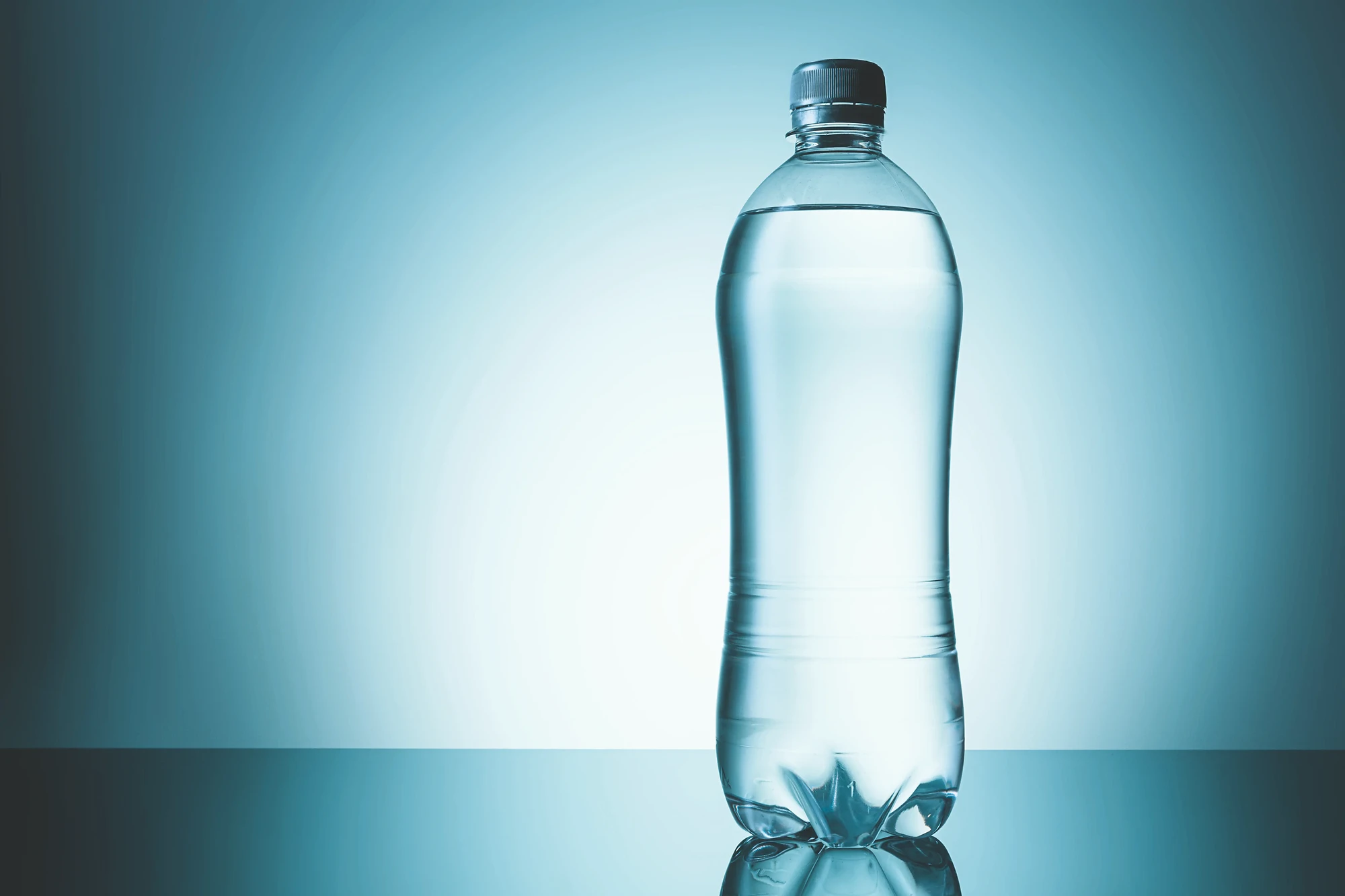
A concrete example for Austria is the introduction of a new deposit system for PET bottles and cans, which started in January 2025. This regulation aims to boost collection rates and reduce littering. Another milestone is the construction of the Triplast sorting facility, which sets new standards in sorting capacity and quality. The collected materials are processed using state-of-the-art technology, enabling precise preparation for subsequent recycling steps.
In plastics recycling, we also observe a clear trend toward industrialization as processes are becoming more scalable, efficient, and standardized.
Which innovations and trends are currently shaping the industry?
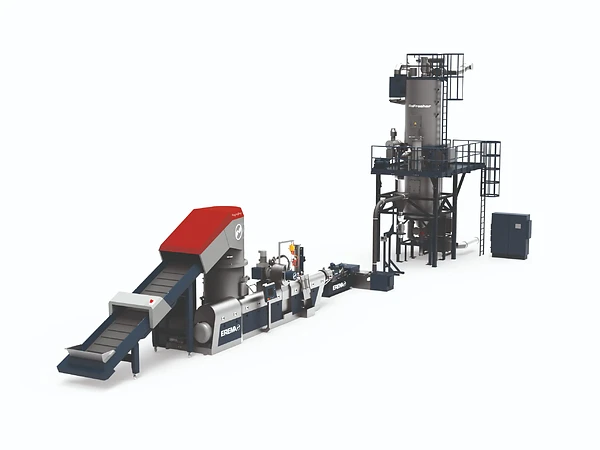
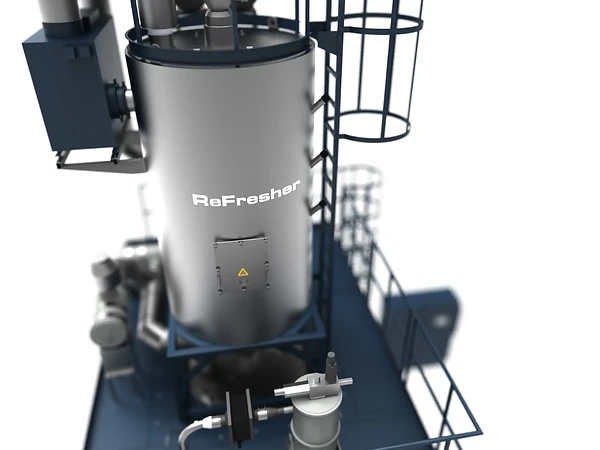
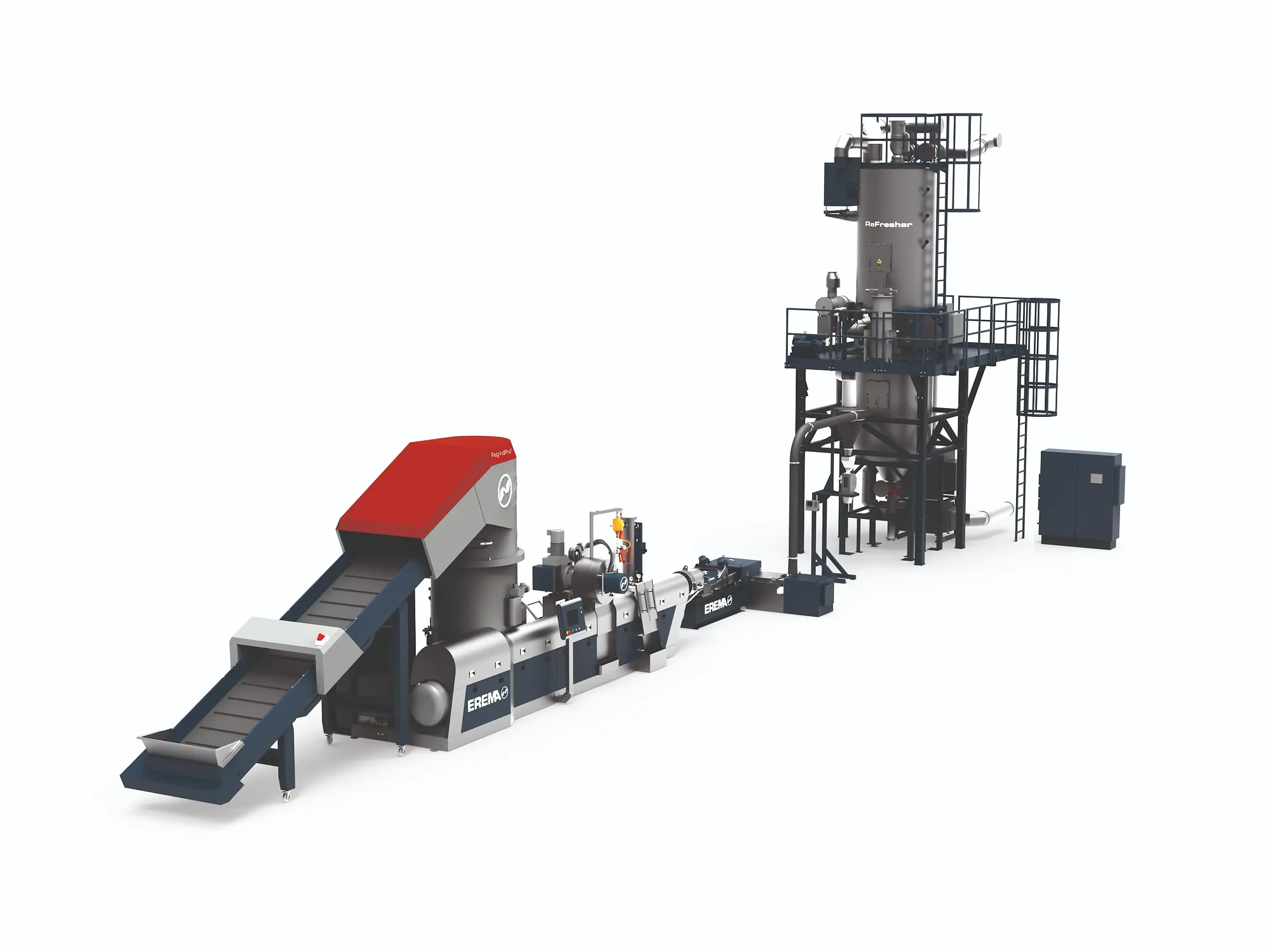
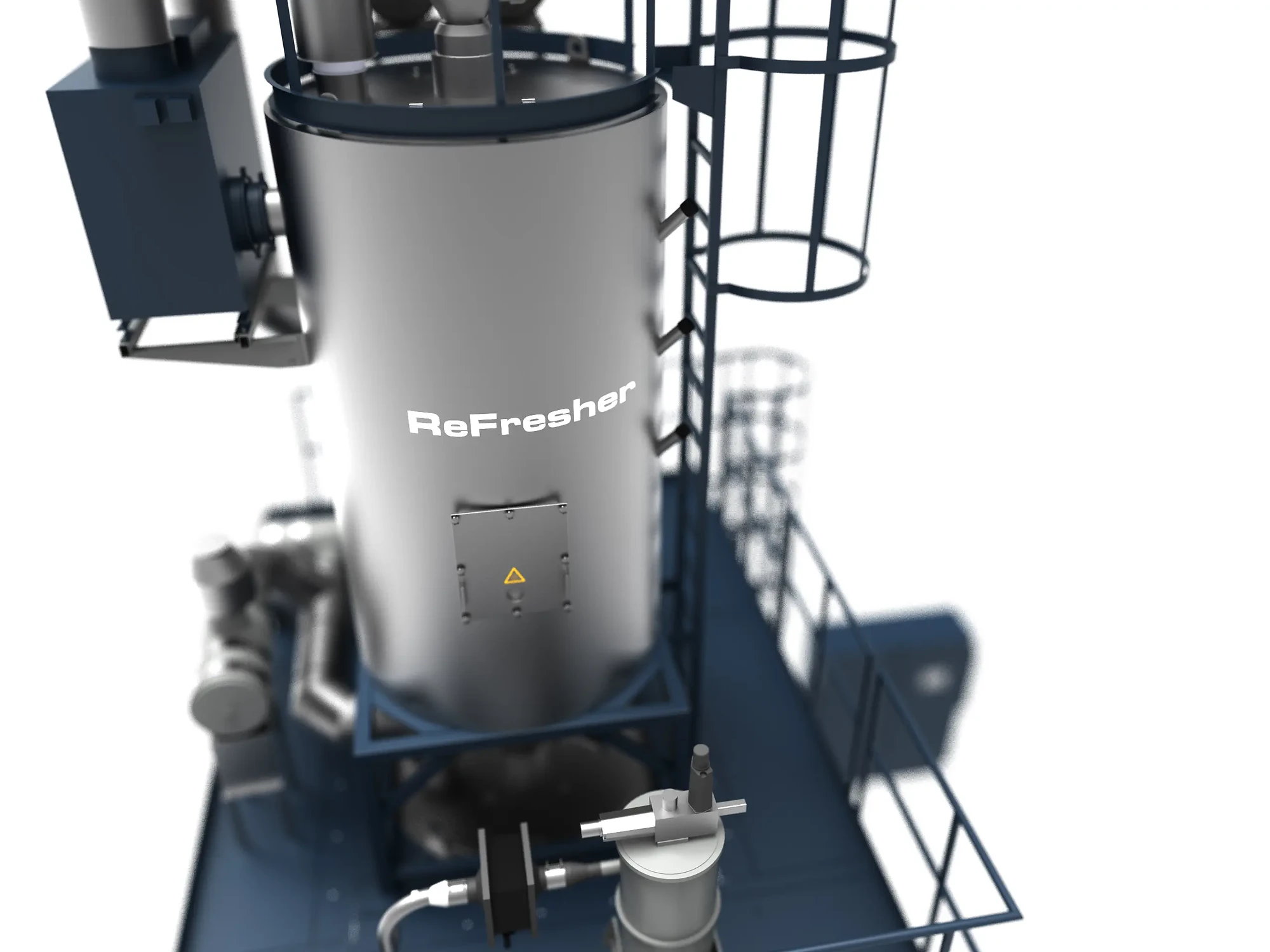
One major driver is the upcoming EU Packaging and Packaging Waste Regulation (PPWR), which sets clear targets for recyclability and the use of recycled materials in new products. The suitability of recycled plastics for sensitive applications – such as food and cosmetics packaging – is a particular focus. Our technologies ensure that recycled materials can be used safely and reliably in these applications. For example, the combination of INTAREMA® TVEplus® RegrindPro® and ReFresher enables the production of food-grade post-consumer recyclates. Our VACUNITE® technology, on the other hand, allows used PET bottles to be transformed into high-quality recyclate suitable for producing new bottles. The systems have received approvals from European and U.S. food safety authorities for specific applications.
Another important trend is digitalization. It provides transparency across the process chain and ensures high process stability through intelligent assistance systems. In plastics recycling, digitalization and AI are key tools to meet rising quality demands while maintaining competitiveness. Our solutions include predictive maintenance tools and BluPort®, a comprehensive digital platform that integrates various applications and provides a deep understanding of recycling processes.
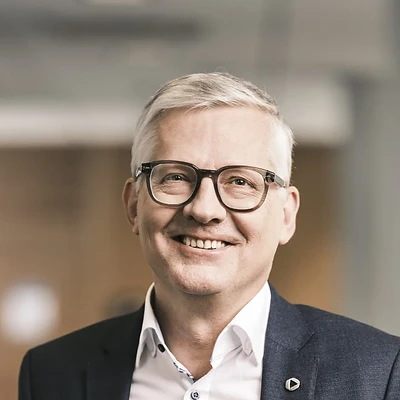
The PPWR sets clear requirements for recyclability and recycled materials, including for sensitive areas. Our technologies enable food-grade regranulate. Digitalisation and AI ensure quality and competitiveness in recycling. Our solutions provide, for example, predictive maintenance tools and the comprehensive BluPort® online platform.
Manfred Hackl, CEO EREMA Group
What will a sustainable packaging industry look like five years from now?
In five years, the packaging industry will be more circular and driven by technology. Packaging will be designed to be recyclable, and the use of recycled materials will have become the norm.
Ideally, for consumers it will no longer matter what material a package is made of. What counts is that every package – whether plastic, paper, or glass – can be properly collected, recycled, and reintroduced into production at the end of its life cycle.
What does it take to make this vision a reality?
We need close cooperation across the entire value chain: from design and collection to sorting, recycling, and reuse. For Austrian (and European) companies to move forward, investments in technology, infrastructure, and know-how are essential. This also requires a supportive political framework.
What gives you confidence for the coming years?
What gives us confidence is that the concept of a circular economy is now firmly established in the industry – not as an obligation, but as an opportunity. The willingness to collaborate has grown, as has the awareness of the role each stage in the value chain plays: from packaging design to sorting, recycling, and the reuse of high-quality recyclates in new products.
At the same time, we have made great technological progress. We see that high-quality recyclates are now being used in an increasing number of applications.
What role do platforms like “Verpackung mit Zukunft” play in this transformation?
Platforms like “Verpackung mit Zukunft” are vital to promoting cross-industry dialogue. They bring together stakeholders from across the value chain, create space for exchange, and foster knowledge-sharing and joint initiatives.
We also consider the platform’s educational mission to be essential – especially its outreach to schools and the broader public. Understanding circular economy principles begins with understanding materials and processes. Education and objective information are key to achieving lasting change.
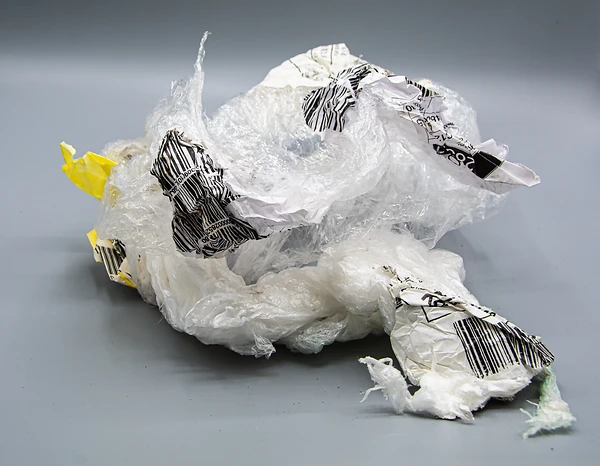
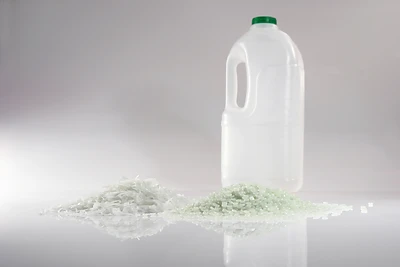
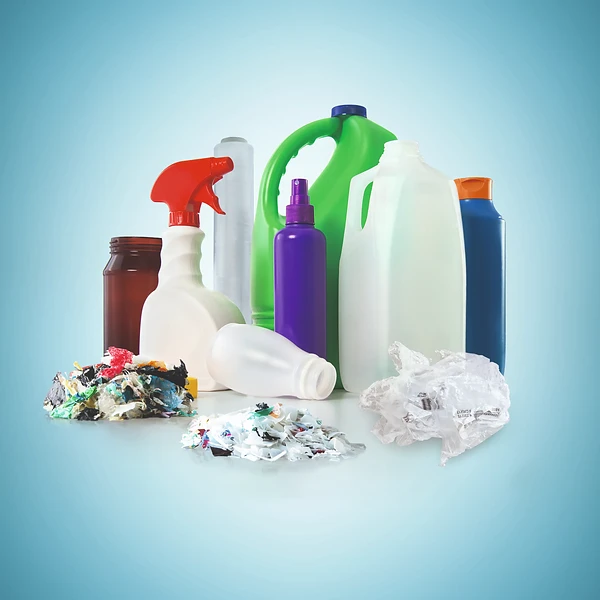
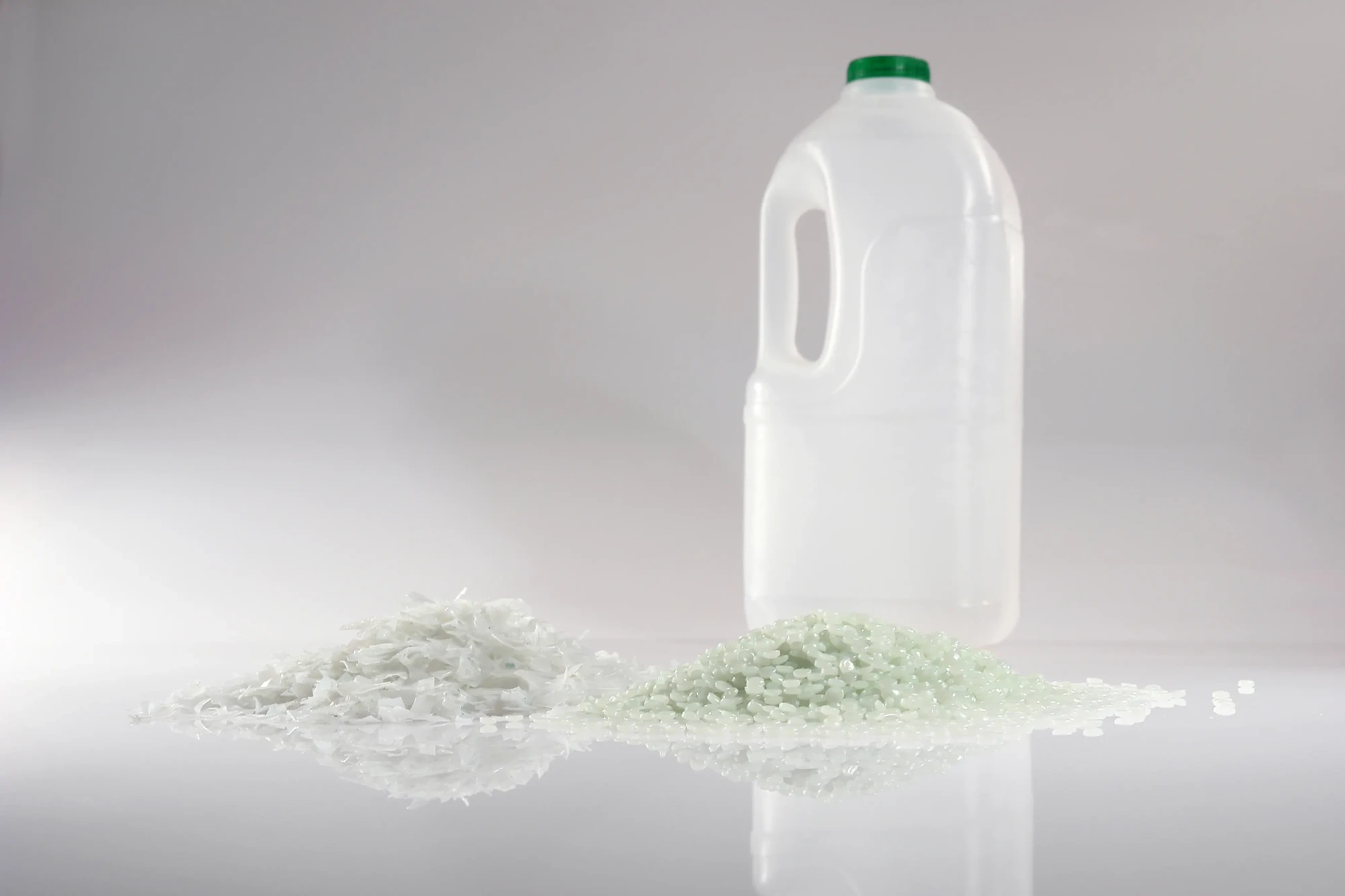
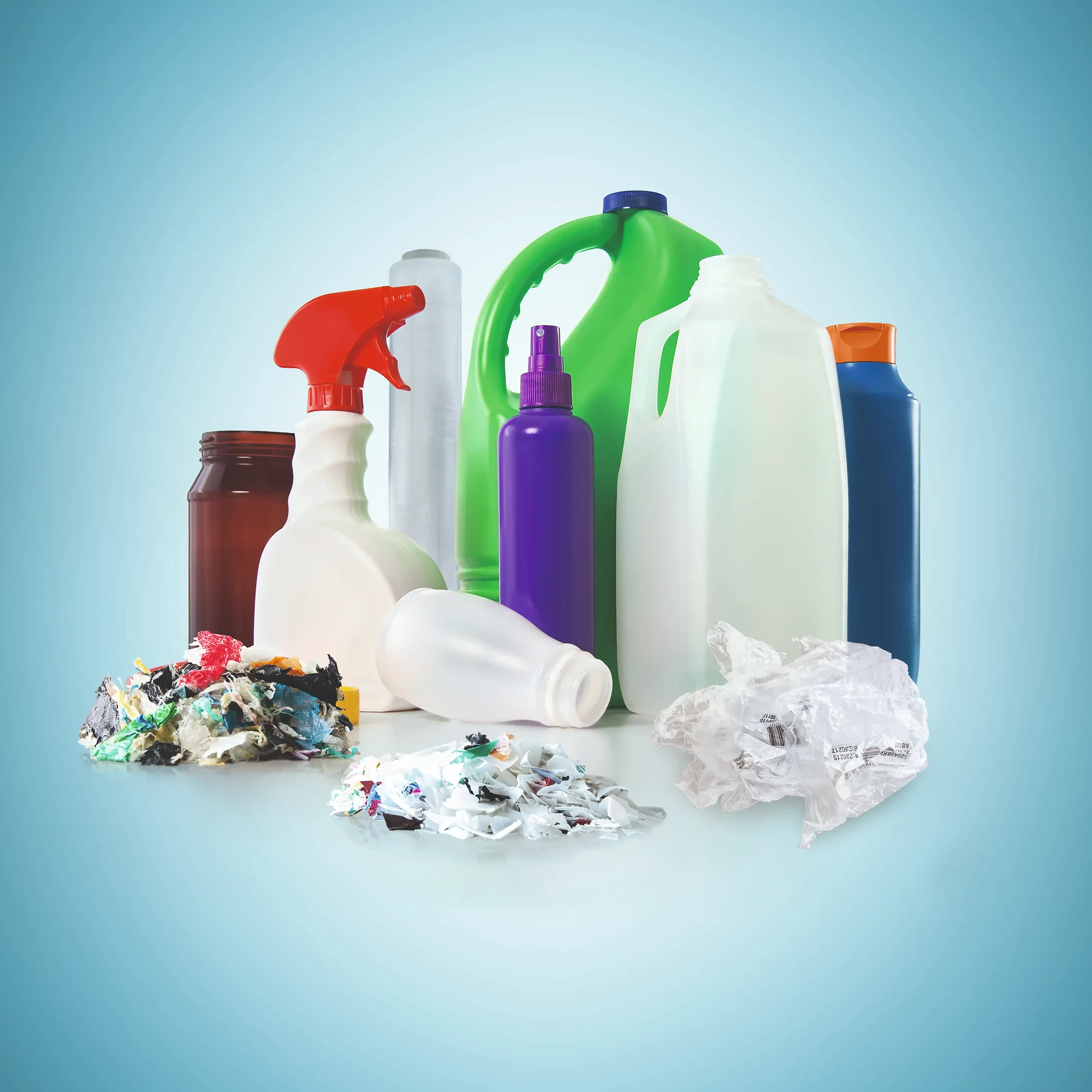
As a founding member of the Austrian platform “Verpackung mit Zukunft,” EREMA Group contributes its expertise in plastics recycling. From PET bottles and HDPE milk containers to food packaging and supermarket films, proven technologies ensure that plastic packaging can be effectively recycled in high-quality applications.