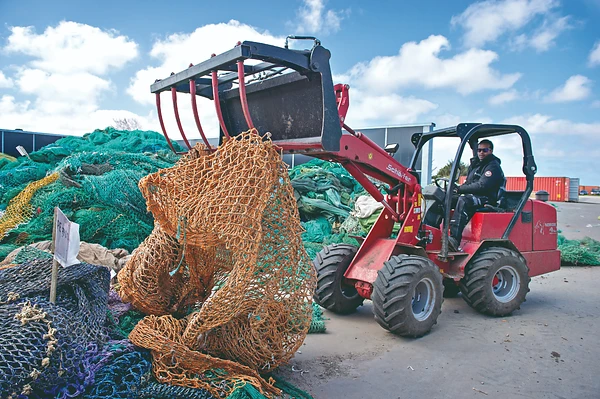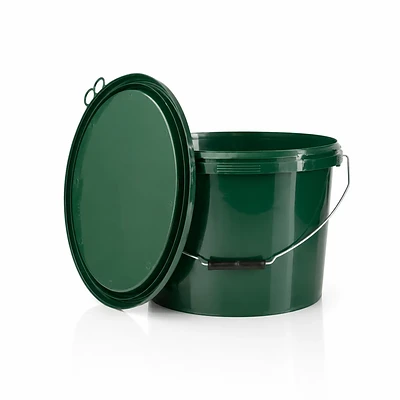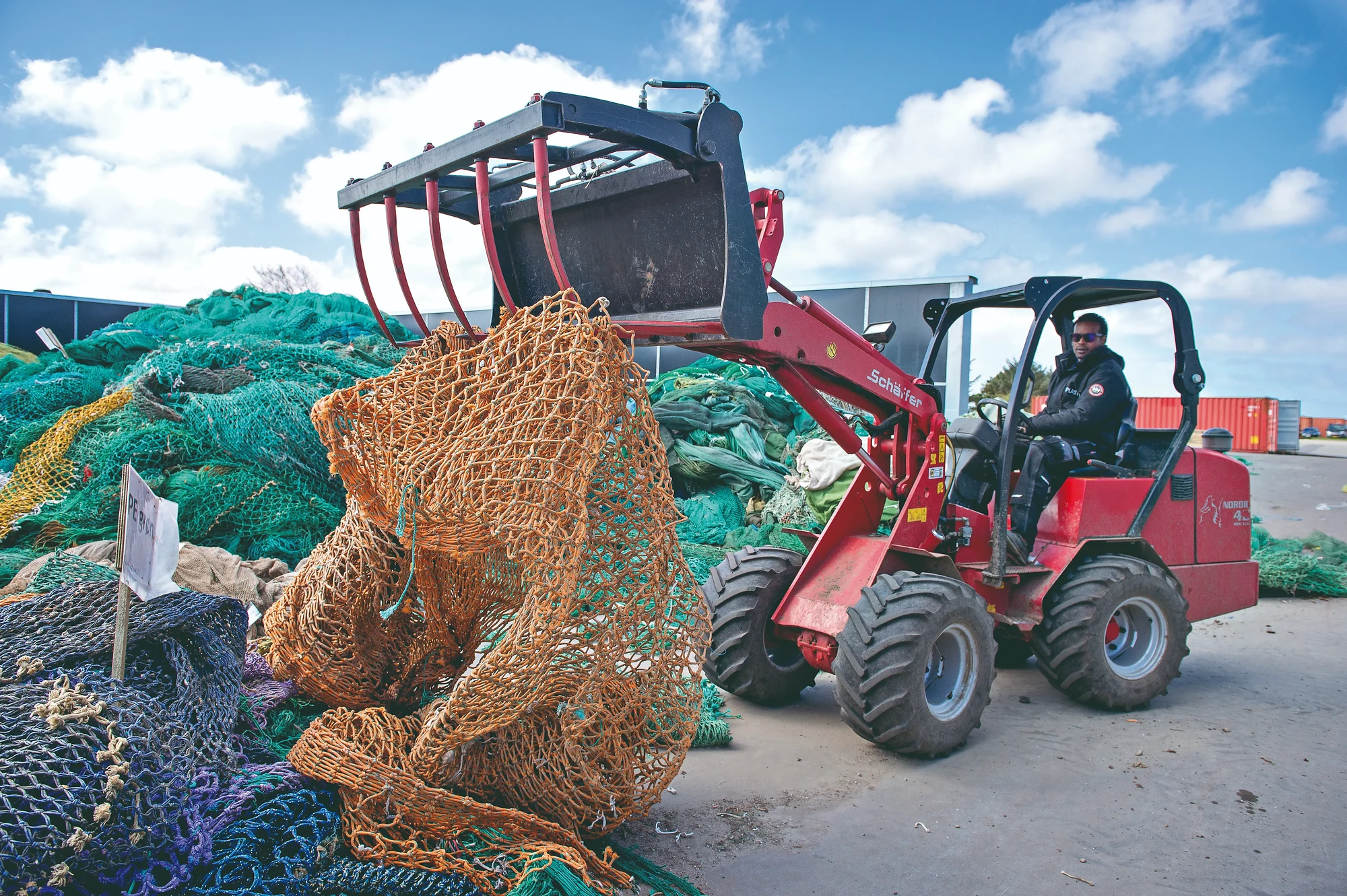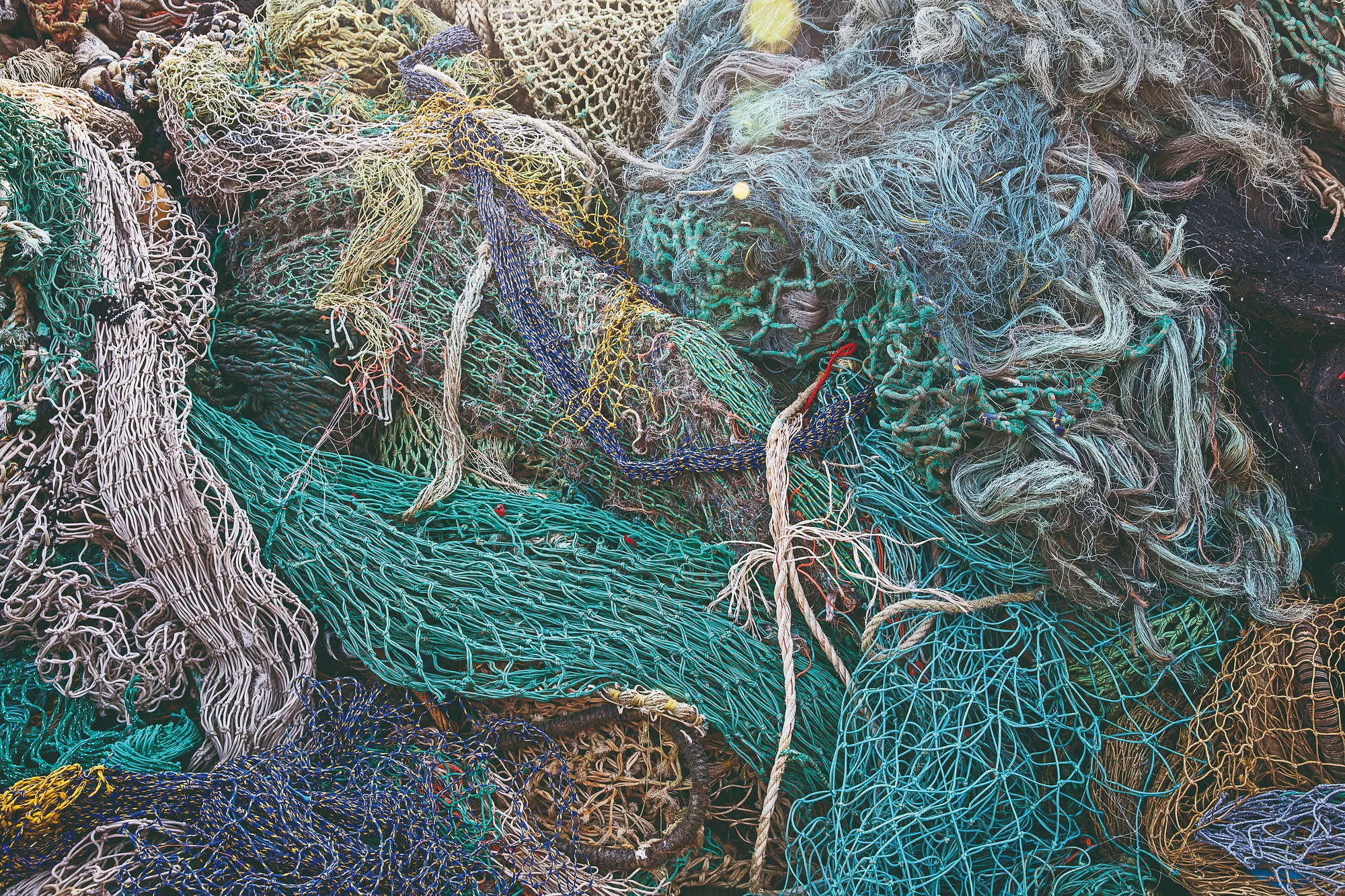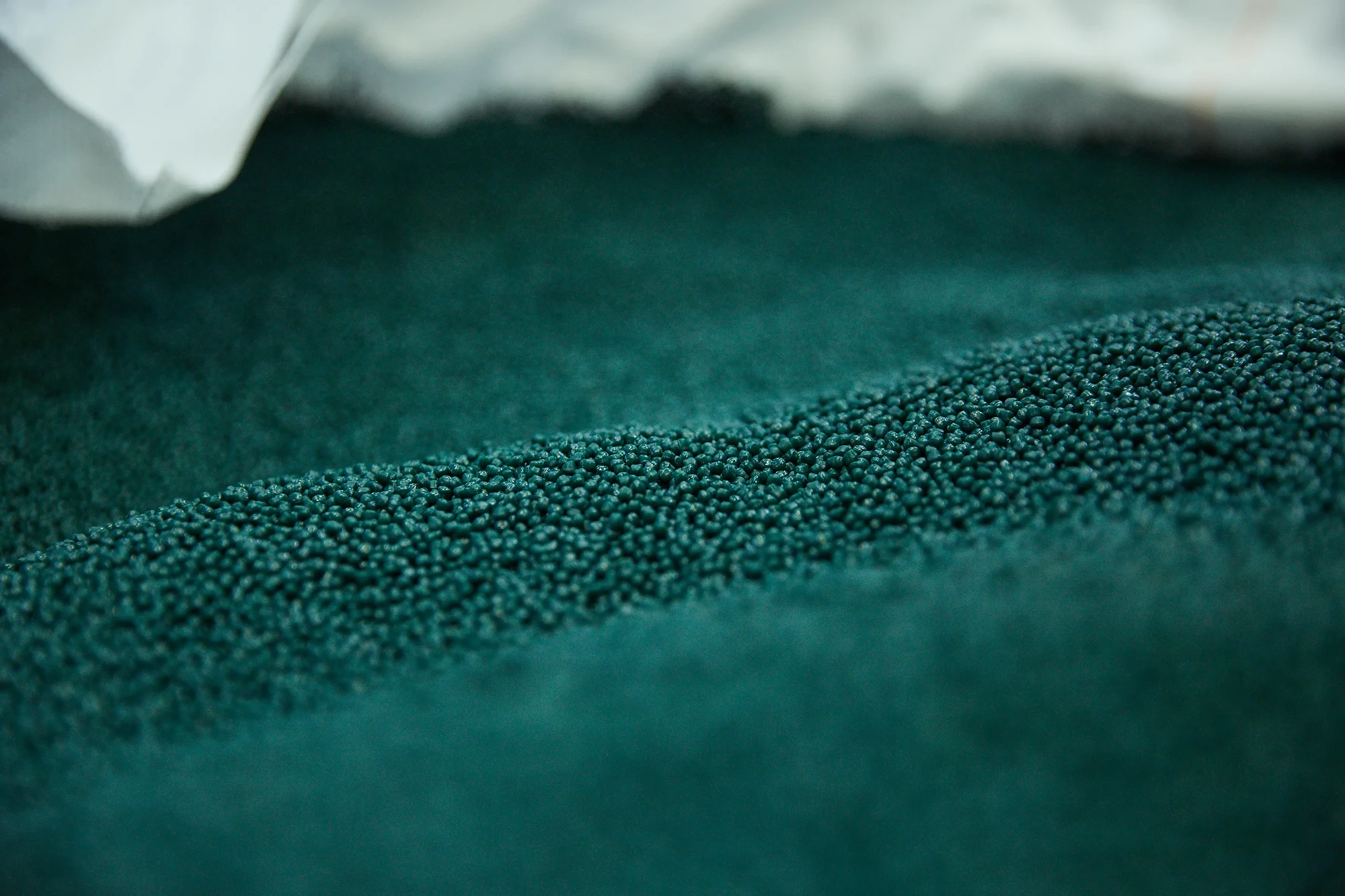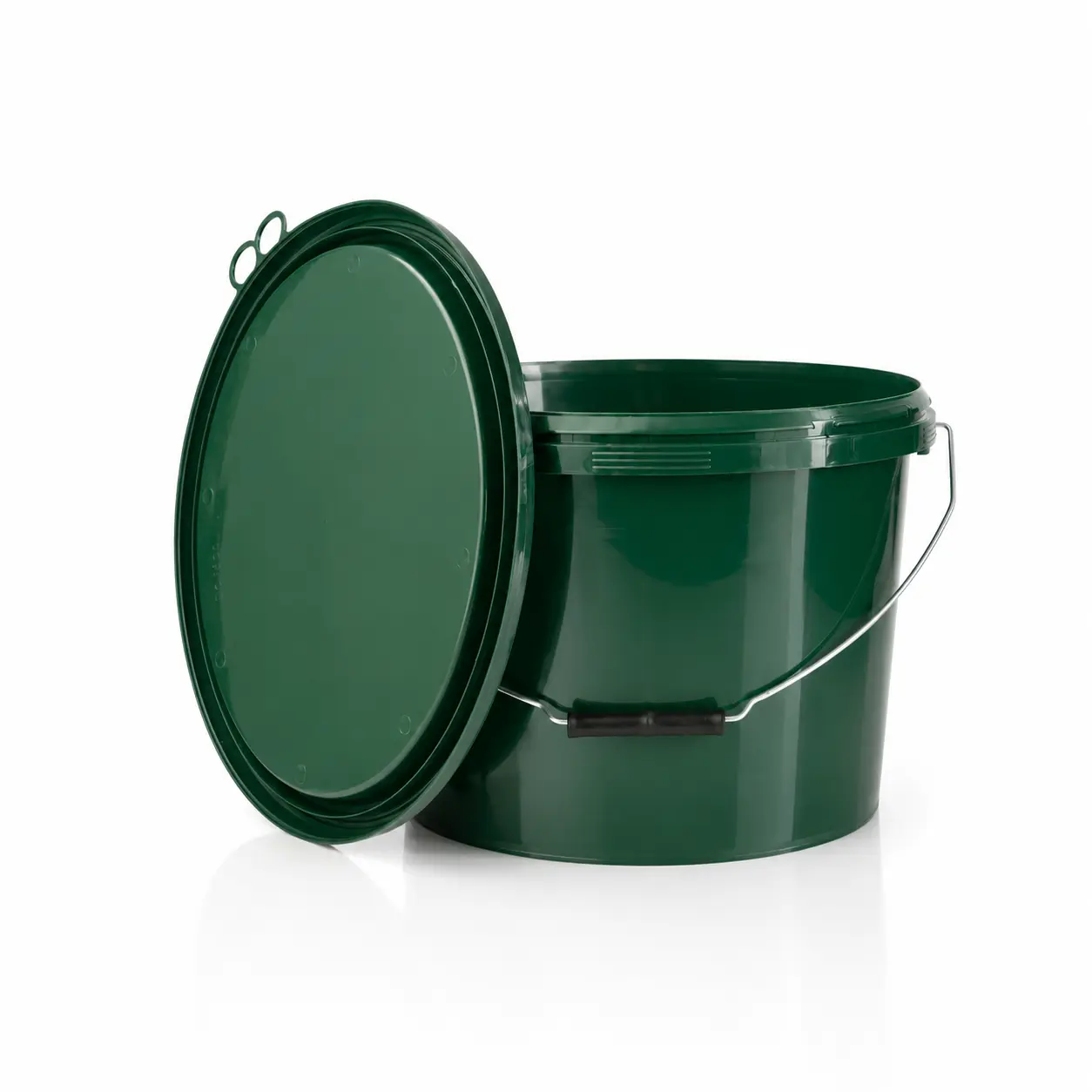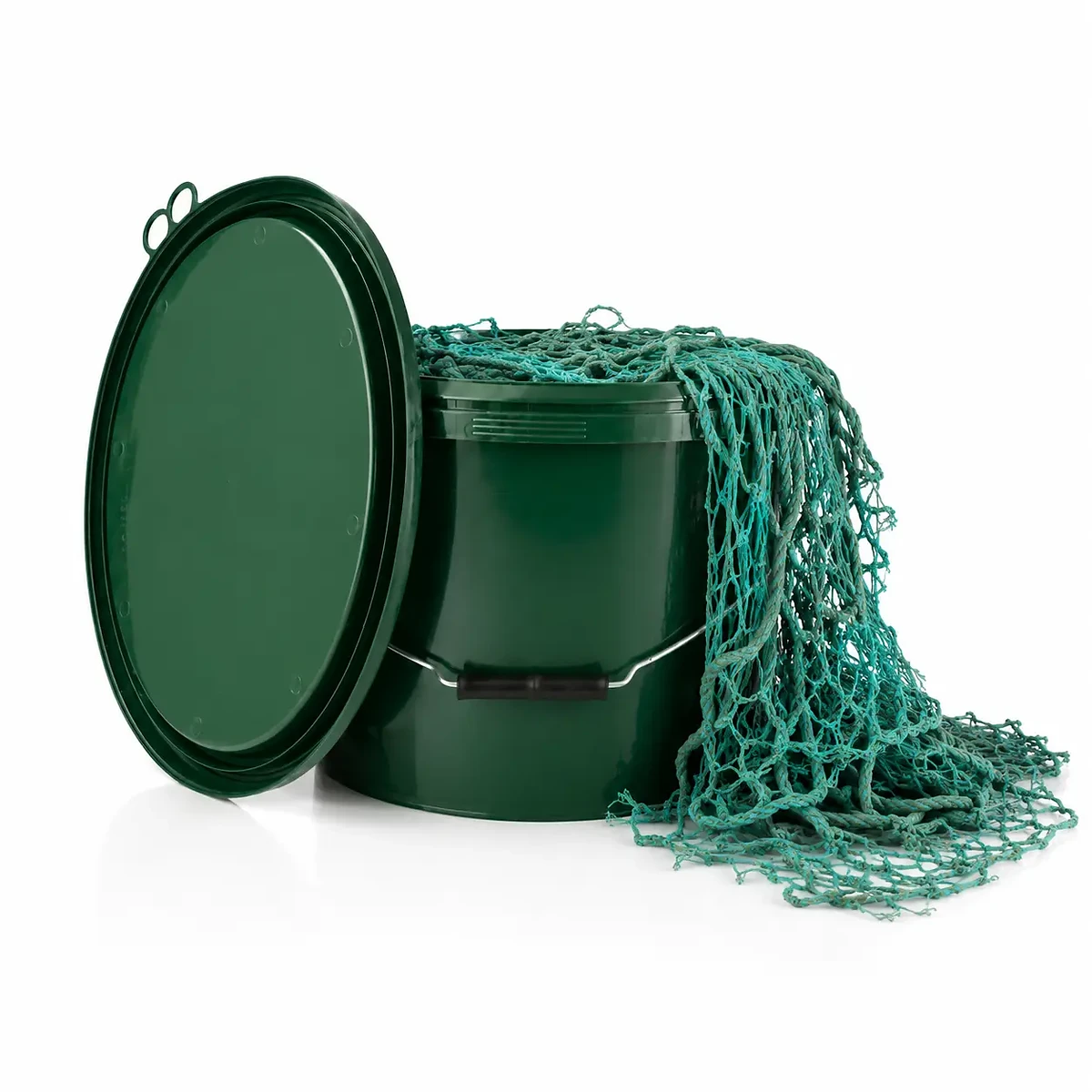
Lost fishing nets are among the biggest sources of plastic pollution in the oceans. The Danish recycling company Plastix and ALPLAindustrial, a brand of global packaging specialist ALPLA, transform this material into high-quality industrial packaging. The Oceanix™ bucket is a robust packaging solution for paints, coatings and construction products.
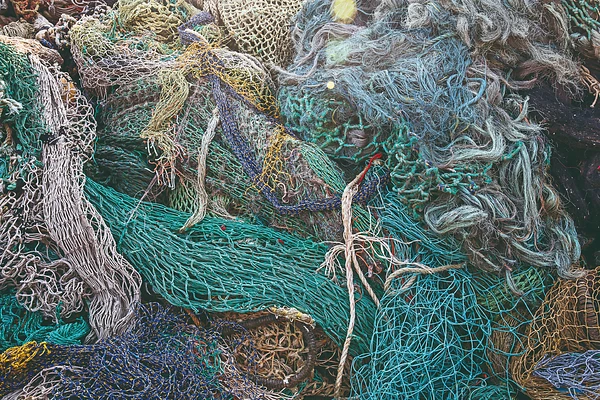
Discarded fishing nets and other marine equipment, often referred to as “ghost nets”, pose a major threat to marine ecosystems. To tackle this challenge, Danish recycler Plastix processes end-of-life fishing gear into high-quality recycled polypropylene (rPP), which is then used by ALPLAindustrial to manufacture packaging solutions such as the Oceanix™ bucket.
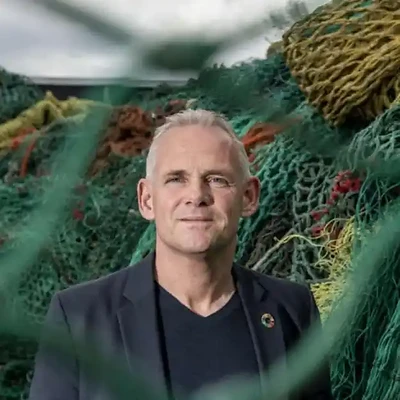
“End-of-life fishing nets and maritime ropes are challenging and complex waste streams. At Plastix, we specialize in transforming this maritime plastic fibre waste into high-quality PCR, Oceanix™ recyclates, with up to 94% CO₂ savings compared to virgin material. Oceanix™ is tested and approved for demanding applications, including packaging. The Oceanix™ bucket is a good example of how recycled maritime waste material can be brought back into valuable, visible, functional and high-volume products.”
Hans Axel Kristensen, CEO Plastix
The recycling process behind the Oceanix™ bucket
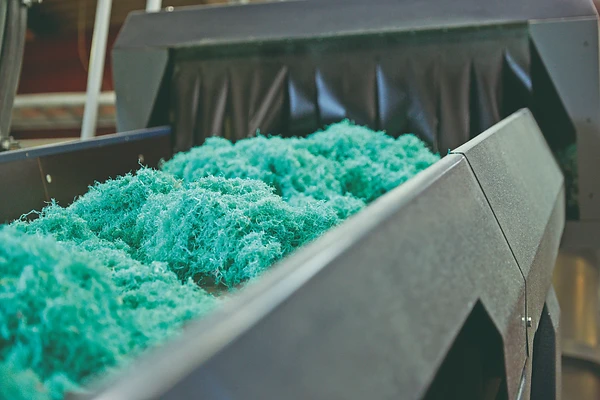
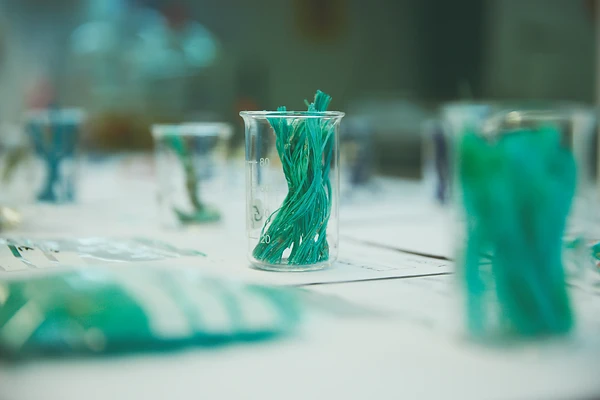
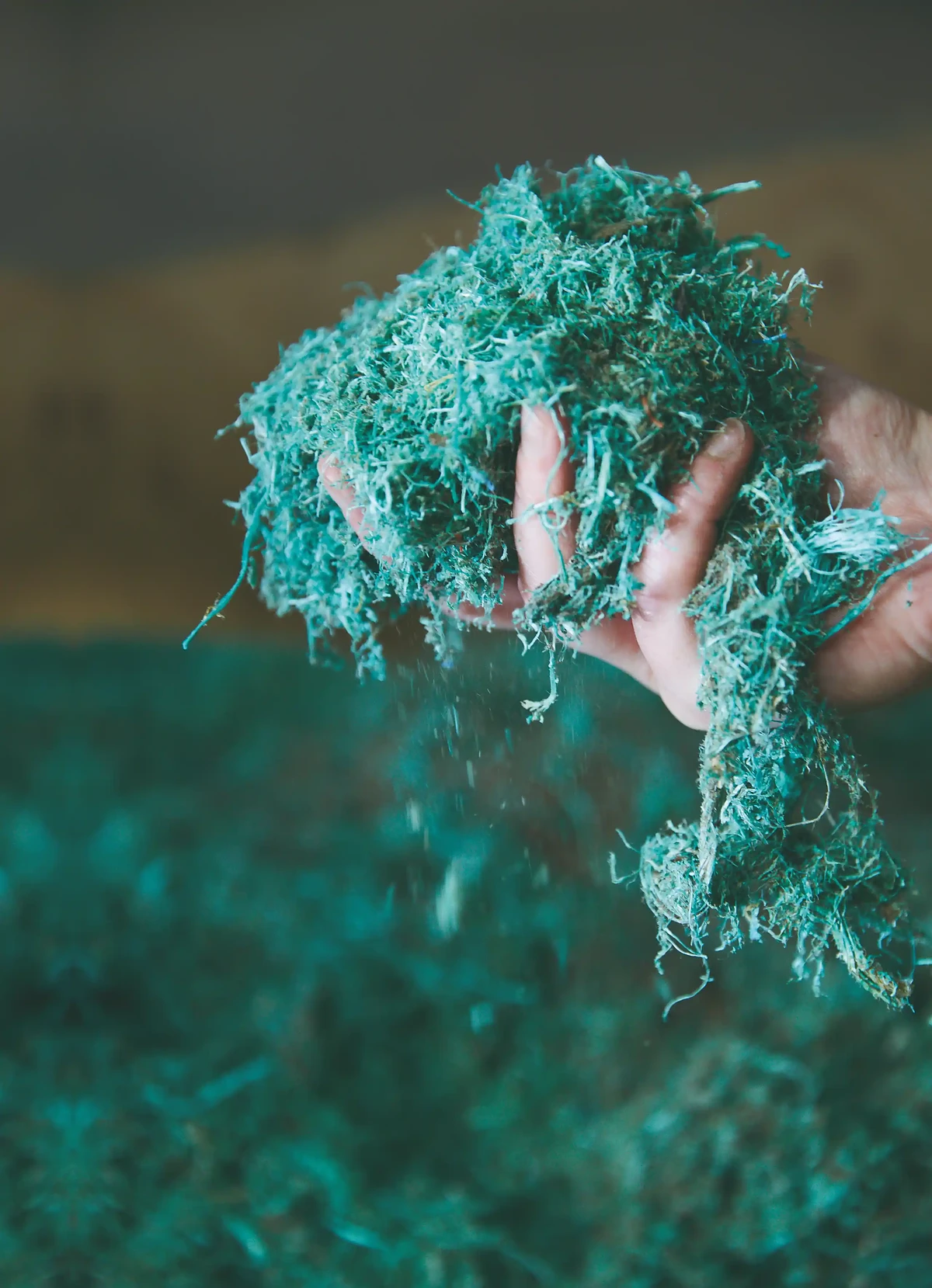
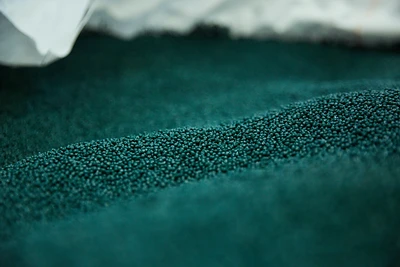
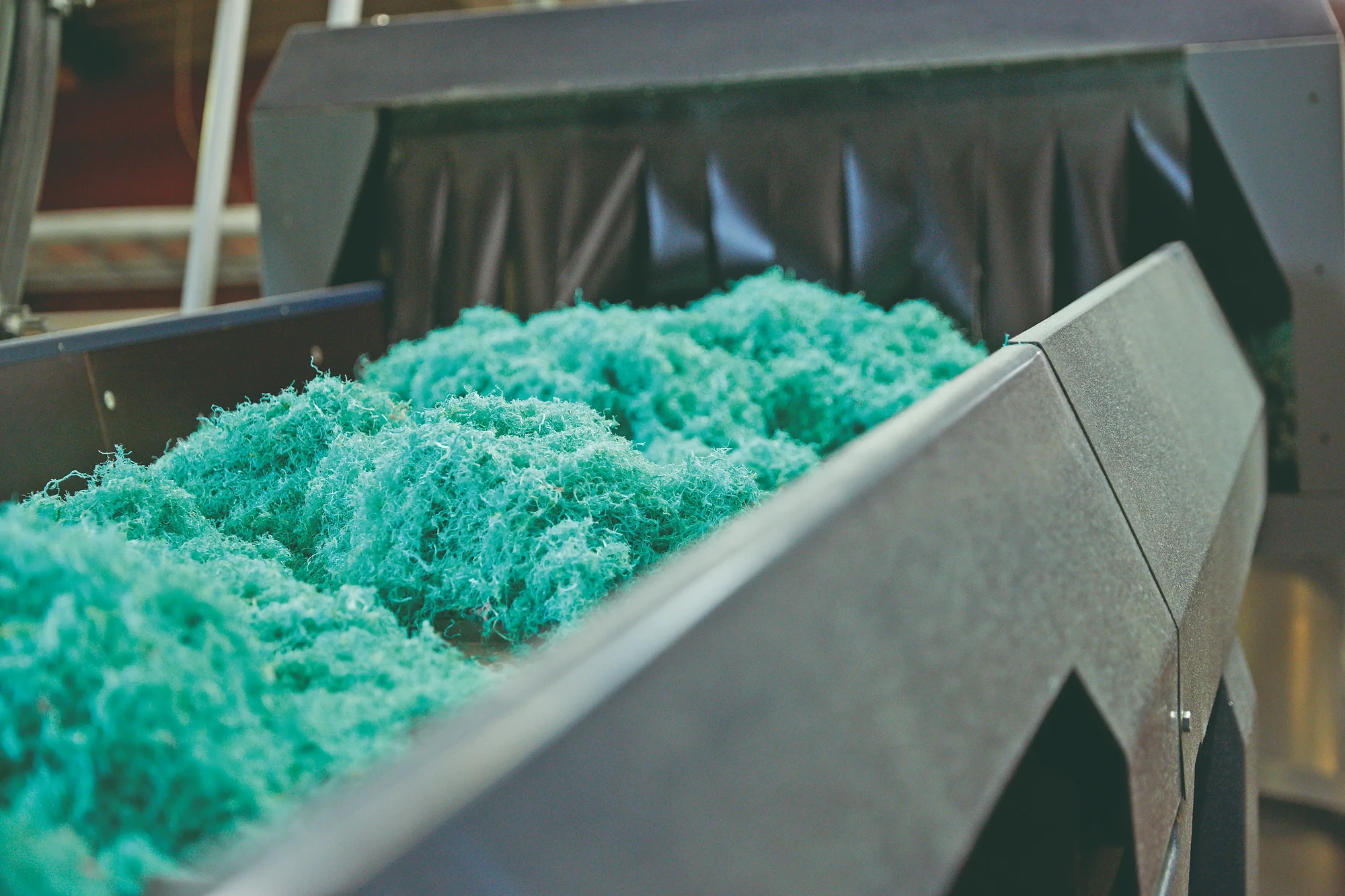
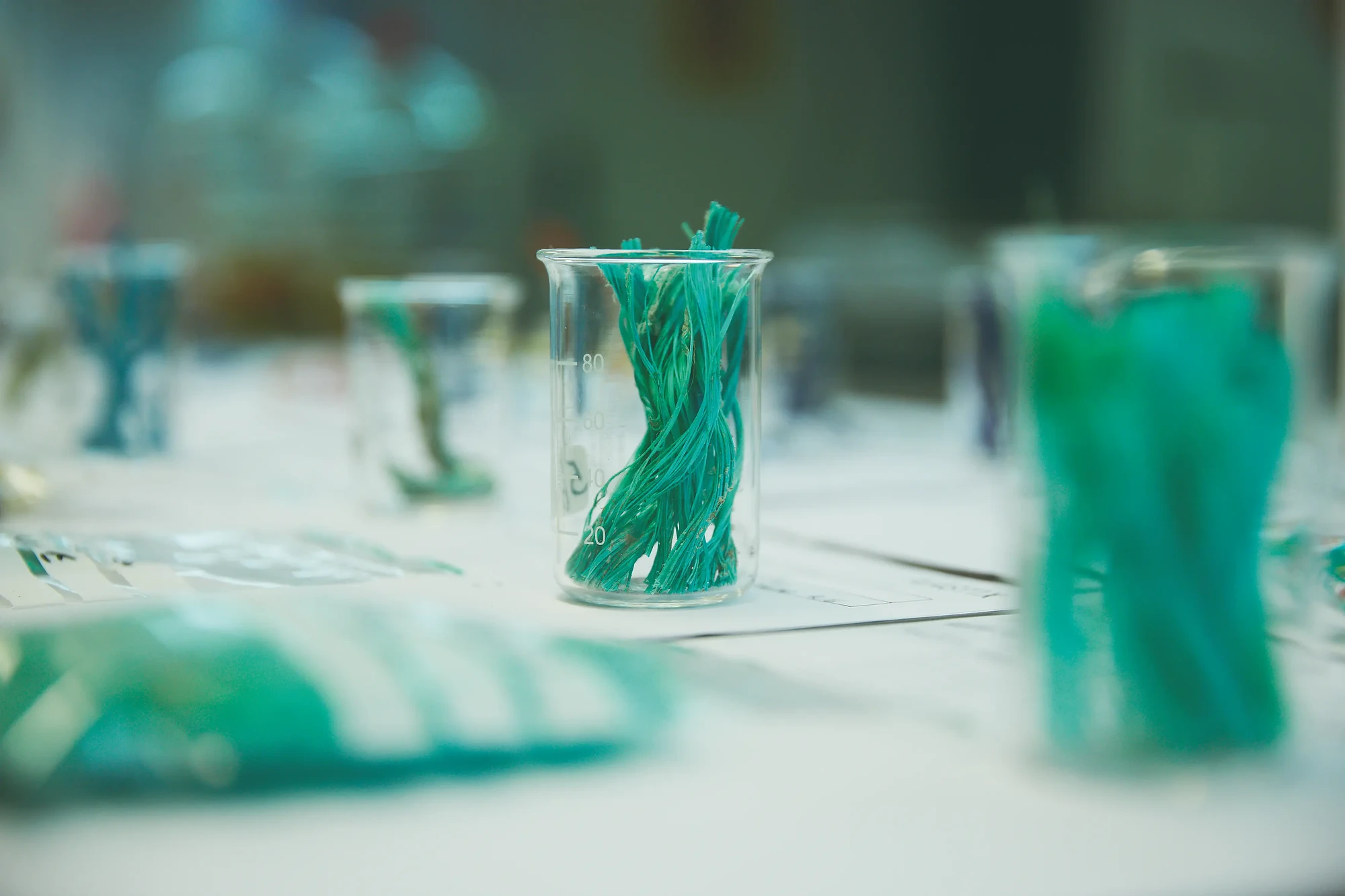
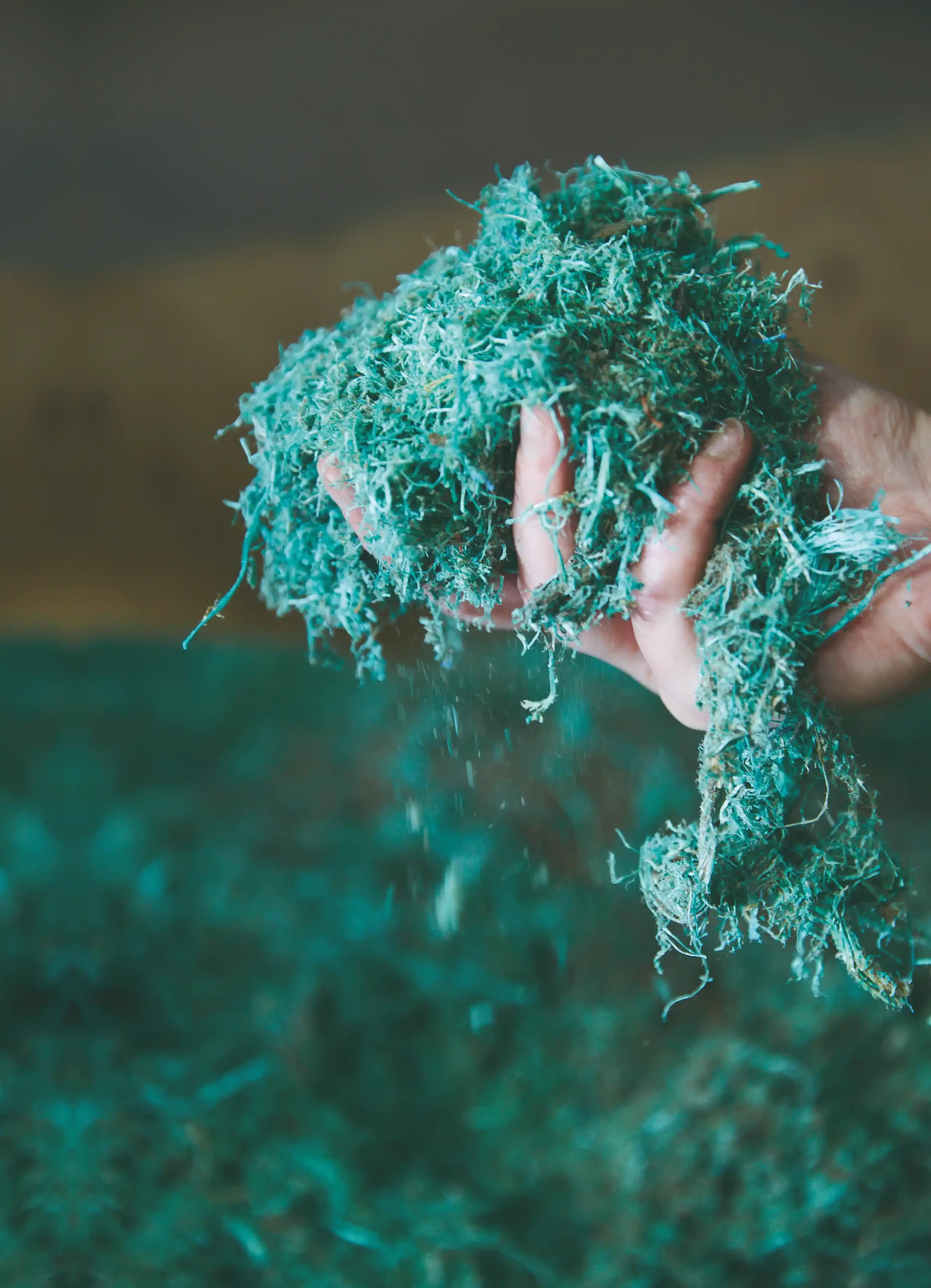
Behind the Oceanix™ bucket is a recycling process that turns maritime plastic waste into high-quality recyclates. Before the fishing nets and ropes are converted into new packaging products, they are sorted, shredded and washed by Plastix, and finally processed into rPP using an INTAREMA® 1512 TE recycling machine.
“Plastix’ collaboration with EREMA dates back to 2016 and is today a well-established and consolidated technology partnership. In the context of the Oceanix™ bucket, we are pleased to acknowledge this collaboration as part of a successful packaging application based on recycled maritime material.”
Hans Axel Kristensen, CEO Plastix
New life as a robust packaging product
The rPP pellets are used across ALPLAindustrial’s bucket portfolio for applications including paints, varnishes, coatings and construction products. According to an independently verified life cycle assessment (LCA), the recycled material used generates up to 94.3 per cent fewer CO2 emissions than comparable polypropylene made from virgin raw materials.
Read the full article by ALPLAindustrial:
ALPLAindustrial gives marine litter a new lease of life