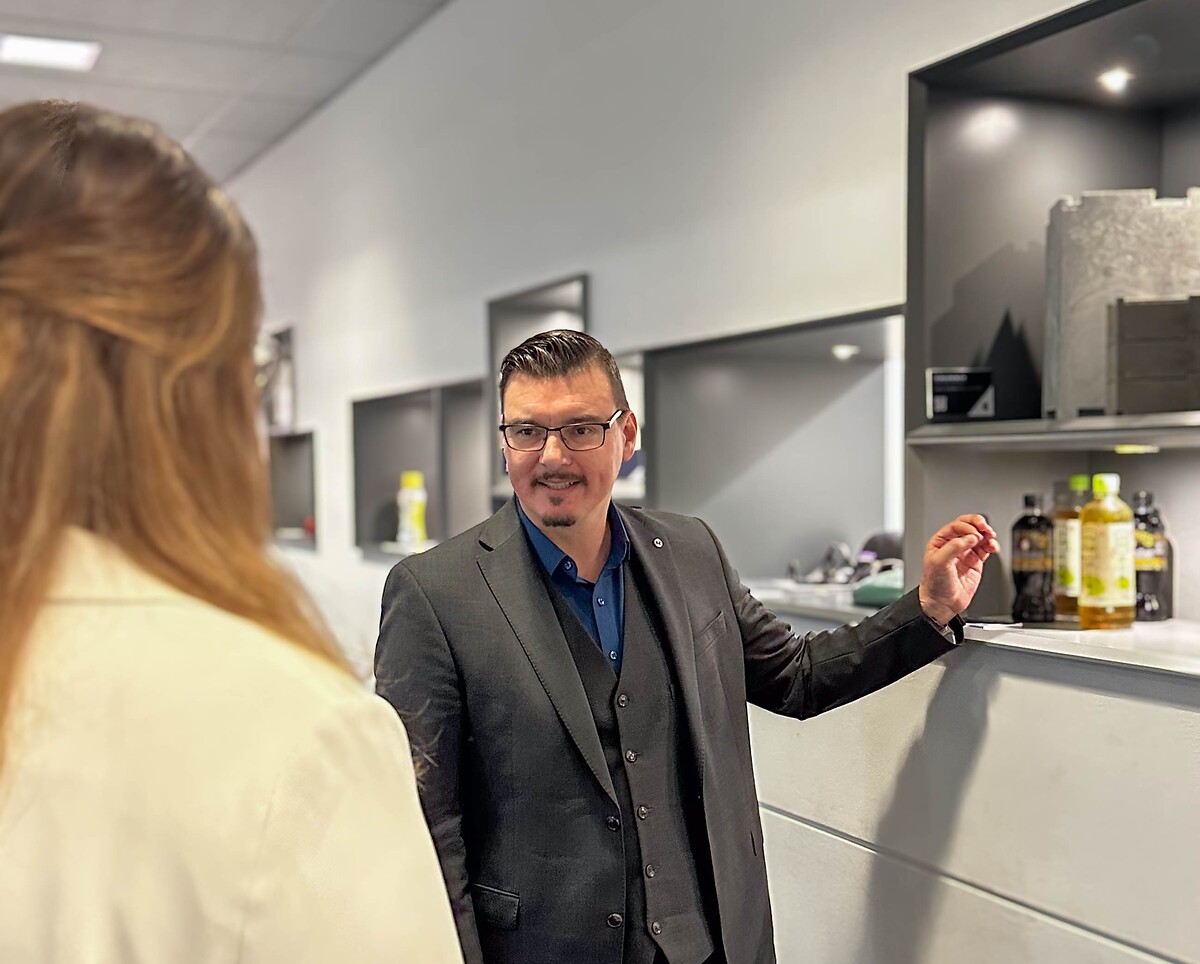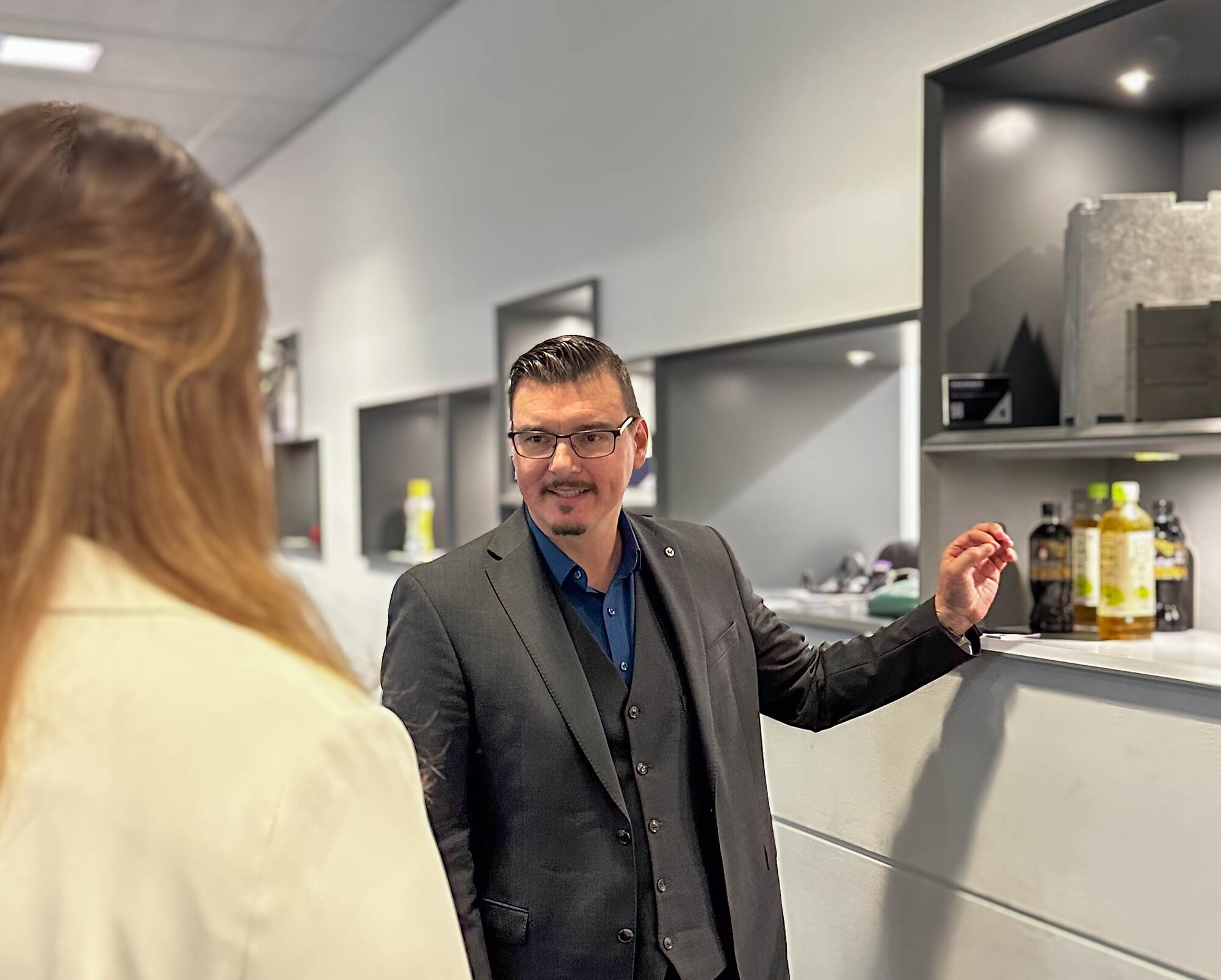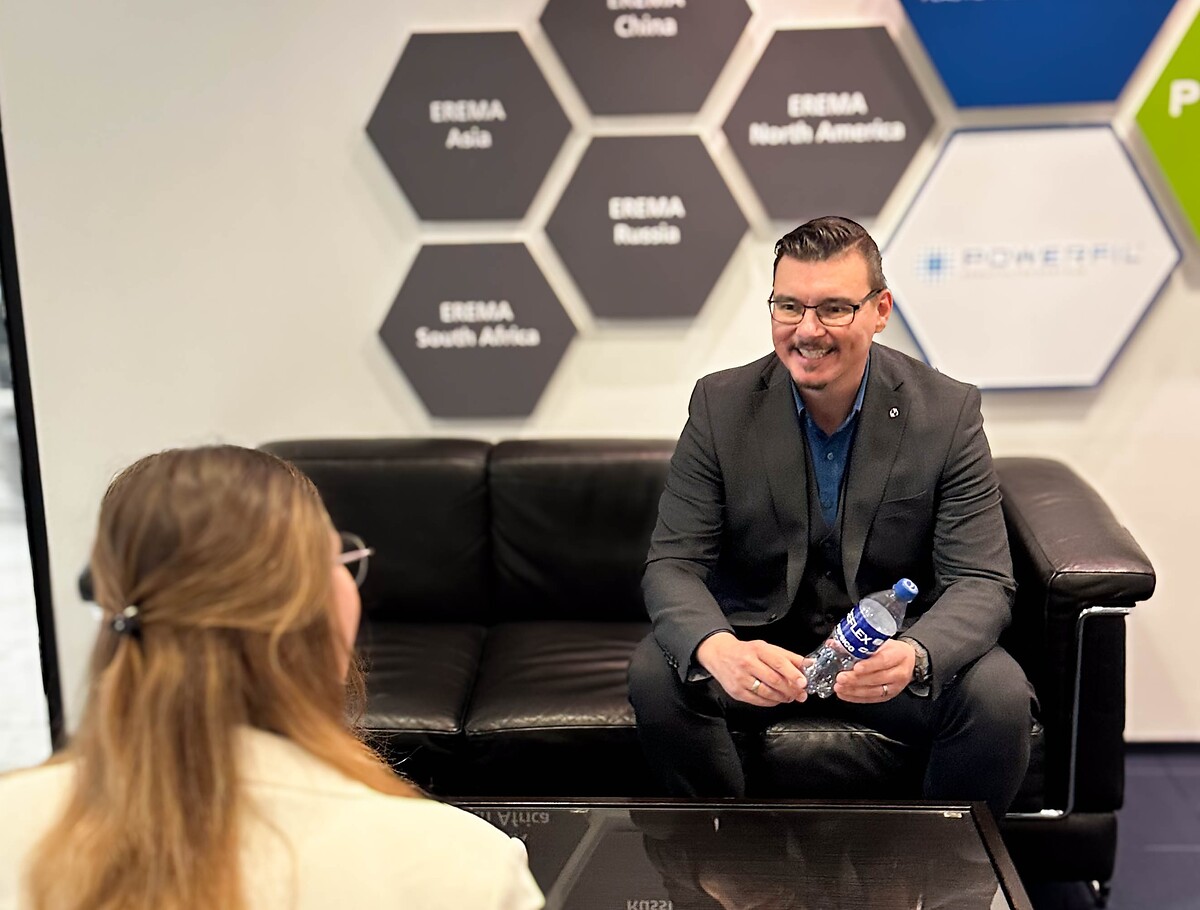
From Latin America to Asia, PET recycling is gaining momentum – and EREMA is at the forefront of this transformation. We talked with Christoph Wöss, Director Global Sales at EREMA, about proven solutions like VACUREMA® or VACUNITE® and how EREMA’s latest innovations are increasing throughput and reducing production costs in bottle-to-bottle recycling. Discover how the Austrian manufacturer of plastics recycling solutions combines technological expertise with a global strategy to drive circularity for PET.
Think global, act local
Global sustainability targets are reshaping the plastics industry, with PET recycling being an essential part. Regulatory frameworks such as Extended Producer Responsibility (EPR) and the EU Packaging and Packaging Waste Regulation (PPWR) are accelerating the demand for recycled PET (rPET) in food-grade applications. For brand owners, bottle-to-bottle recycling is no longer optional but part of their sustainability goals. Christoph Wöss emphasises what is important here: "A true circular economy only works if the cycle remains in its own region. It is counterproductive to discuss recycling if we unnecessarily add to the CO₂ emissions of rPET by transporting it over long distances." This principle underpins EREMA’s global strategy and internationalisation process for plastics recycling. The company has streamlined internal processes to drive global expansion. At the same time, EREMA recognises the importance of locally harmonised strategies that align with its portfolio and core values.

„A true circular economy only works if the cycle remains in its own region. It is counterproductive to discuss recycling if we unnecessarily add to the CO₂ emissions of rPET by transporting it over long distances.“
Christoph Wöss, Director Global Sales at EREMA
Market outlook: optimism amid challenges
Despite the current challenging economic environment, Wöss is optimistic about the medium-term outlook for global plastics recycling. "With its technologies and solutions, the EREMA Group covers the entire value chain of mechanical plastics recycling. By combining our expertise, we ensure that our customers remain competitive – even in a dynamic market environment," he says. While the European market has been subdued, the Group experienced positive momentum in Asia. "There are also many good reasons to hope for more recycling in Latin America," adds Wöss, who recently visited Peru. Many countries in Latin America already have EPR schemes, recycling targets and framework conditions that enable the use of rPET for direct food contact. "The basic framework has been established, and the mood in the packaging industry is positive." However, Wöss also admits that the Latin American industry has repeatedly suffered setbacks in the form of high inflation, high interest rates on loans and political instability.
In the PET sector, India has been a very strong market in recent years. "We’ve sold lots of bottle-to-bottle systems, such as VACUNITE®, to the Indian market," explains Wöss. "However, it appears that the market has reached a certain plateau. Other countries in the Far East are starting to emerge."
Beyond market dynamics, regulatory frameworks will play a decisive role. For Europe, regulations such as the PPWR offer a positive outlook – provided that competitiveness can be increased again. This requires initiatives that combine ecological and economic interests and strengthen the industrial base, such as the EU's Clean Industrial Deal. Wöss also welcomes efforts by various associations to ensure that only PET packaging material previously placed in Europe counts towards recycling targets. "Excluding imports from third countries will strengthen the European recycling industry in the long term," he says.
Technology that sets standards in PET recycling
EREMA has established itself as the benchmark for PET recycling technology. Solutions like VACUNITE® deliver food-grade rPET with exceptional efficiency, meeting the highest safety and quality standards. "We pay close attention to the market," says Wöss. "In recent years, we have focused on responding to trends towards higher throughputs and lower production costs."
Recent innovations include:
Beyond Bottles: expanding applications
While bottle-to-bottle recycling is well established, EREMA is broadening the scope of PET recycling in other segments. Tray-to-tray recycling is gaining traction, with pioneers like Cirrec (Faerch Group) leading the way in Europe. "The technology is already there," says Wöss, “and we hope this segment will receive a stronger push from the market.”
In addition, the EREMA Group is advancing textile recycling through projects such as PURE LOOP’s polyester textile recycling system, commissioned by Salvation Army Trading Company – a project that won the Plastics Industry Award. Another milestone is the recent investment in Australian clean technology company BlockTexx®, which aims to scale post-consumer textile-to-textile recycling to industrial levels.
"With our initiatives and projects, we are driving PET recycling beyond bottles and opening new opportunities for circularity in packaging and textiles.", Wöss concludes.