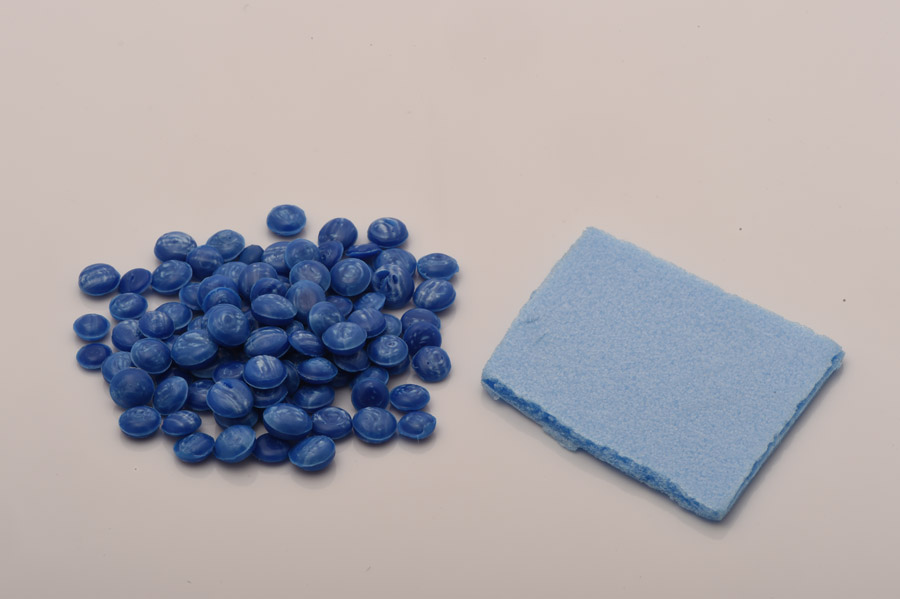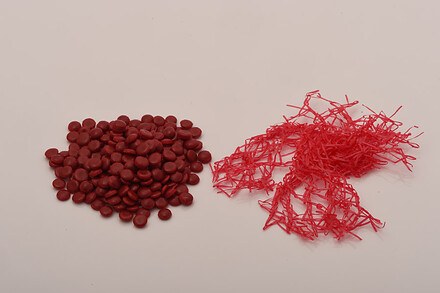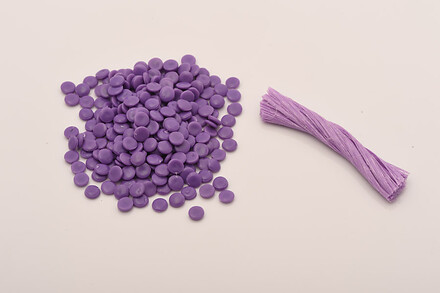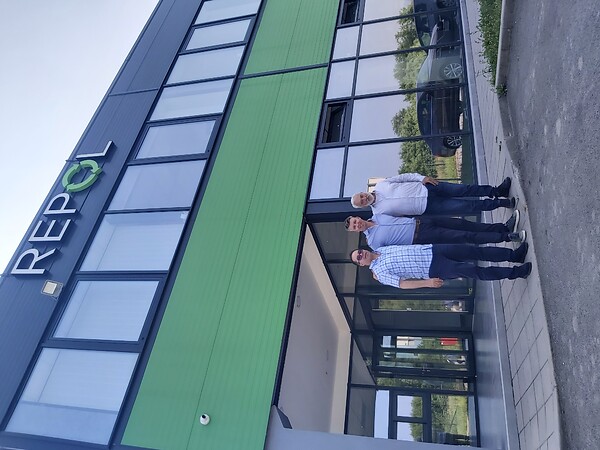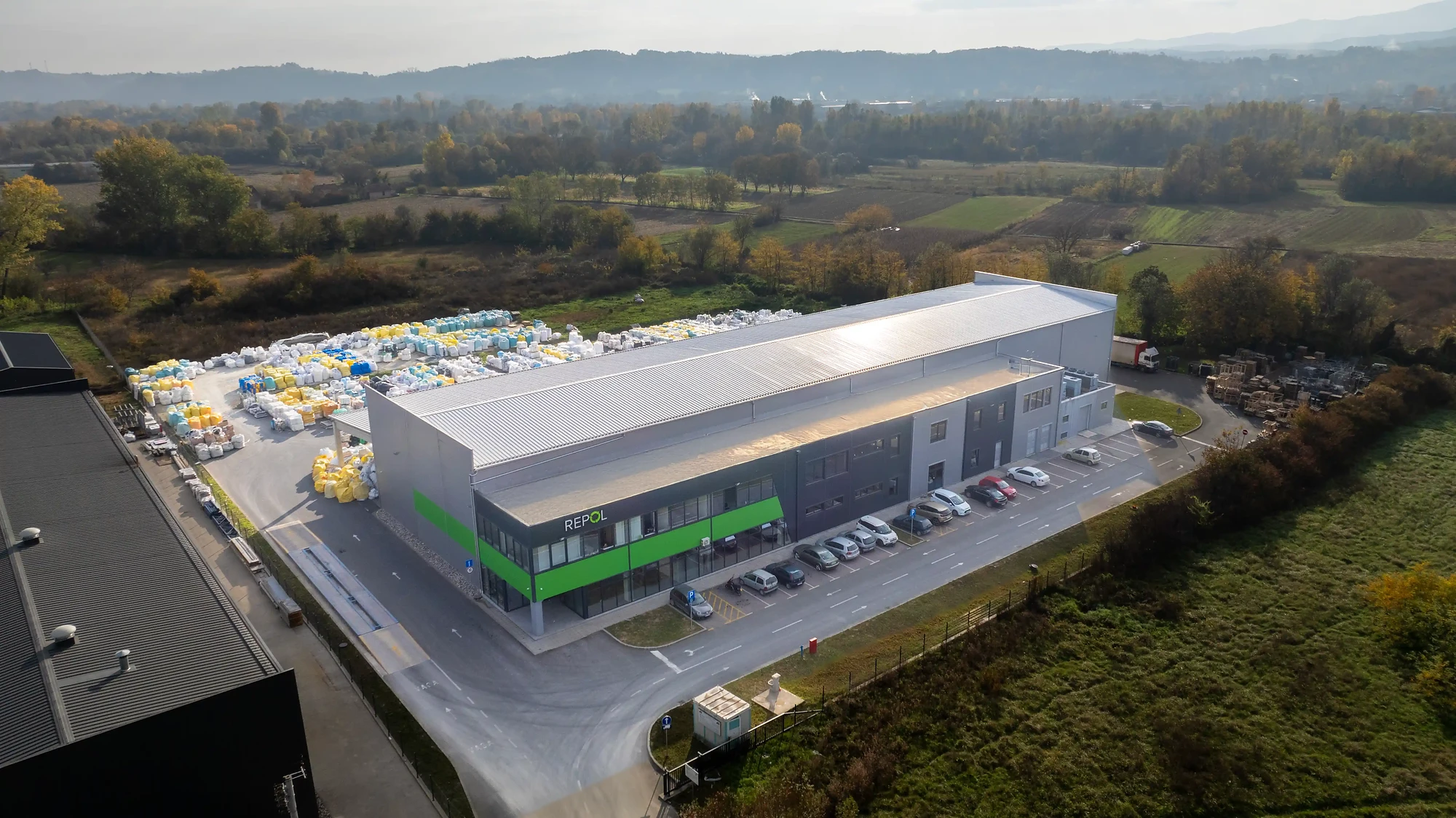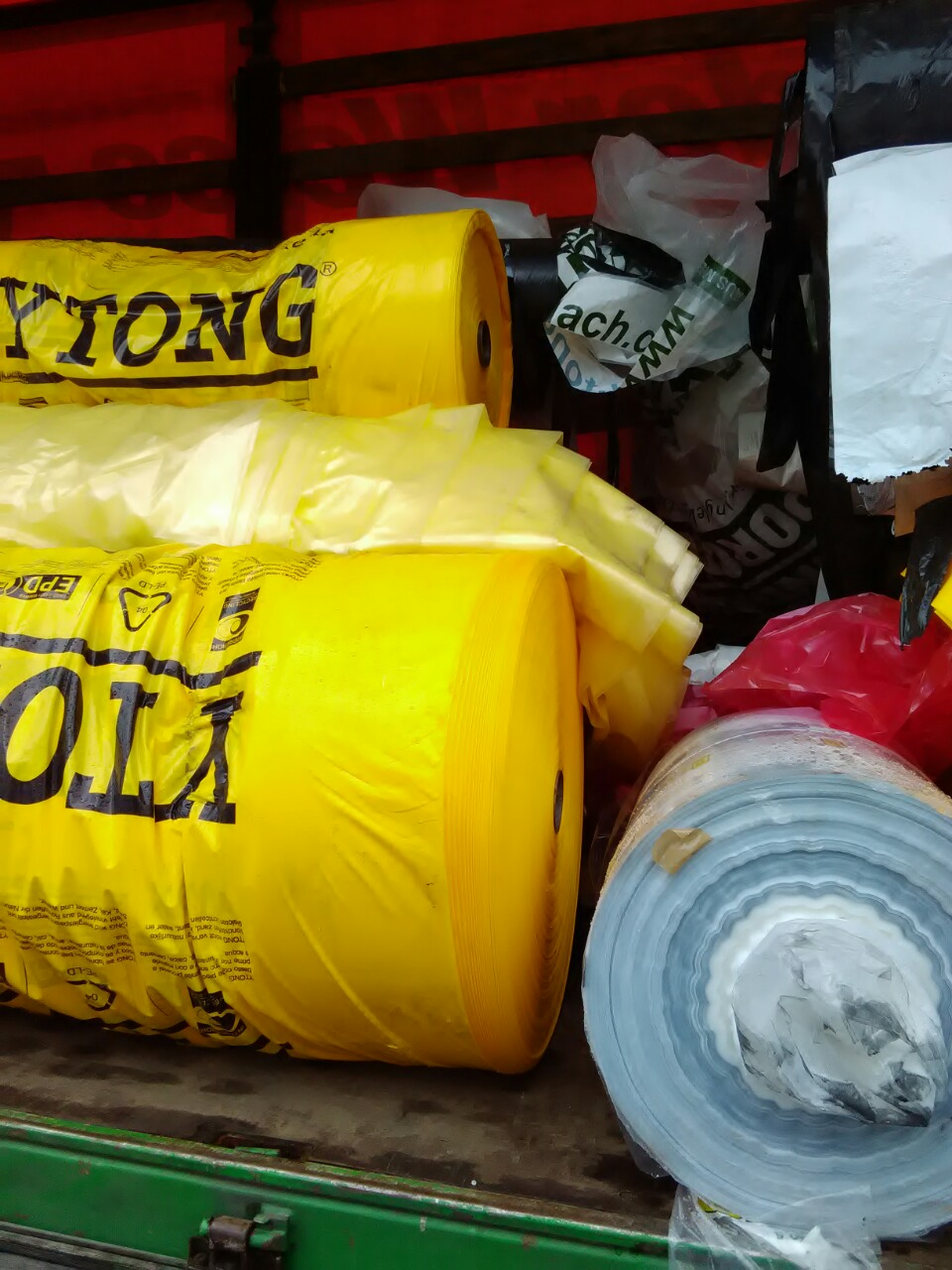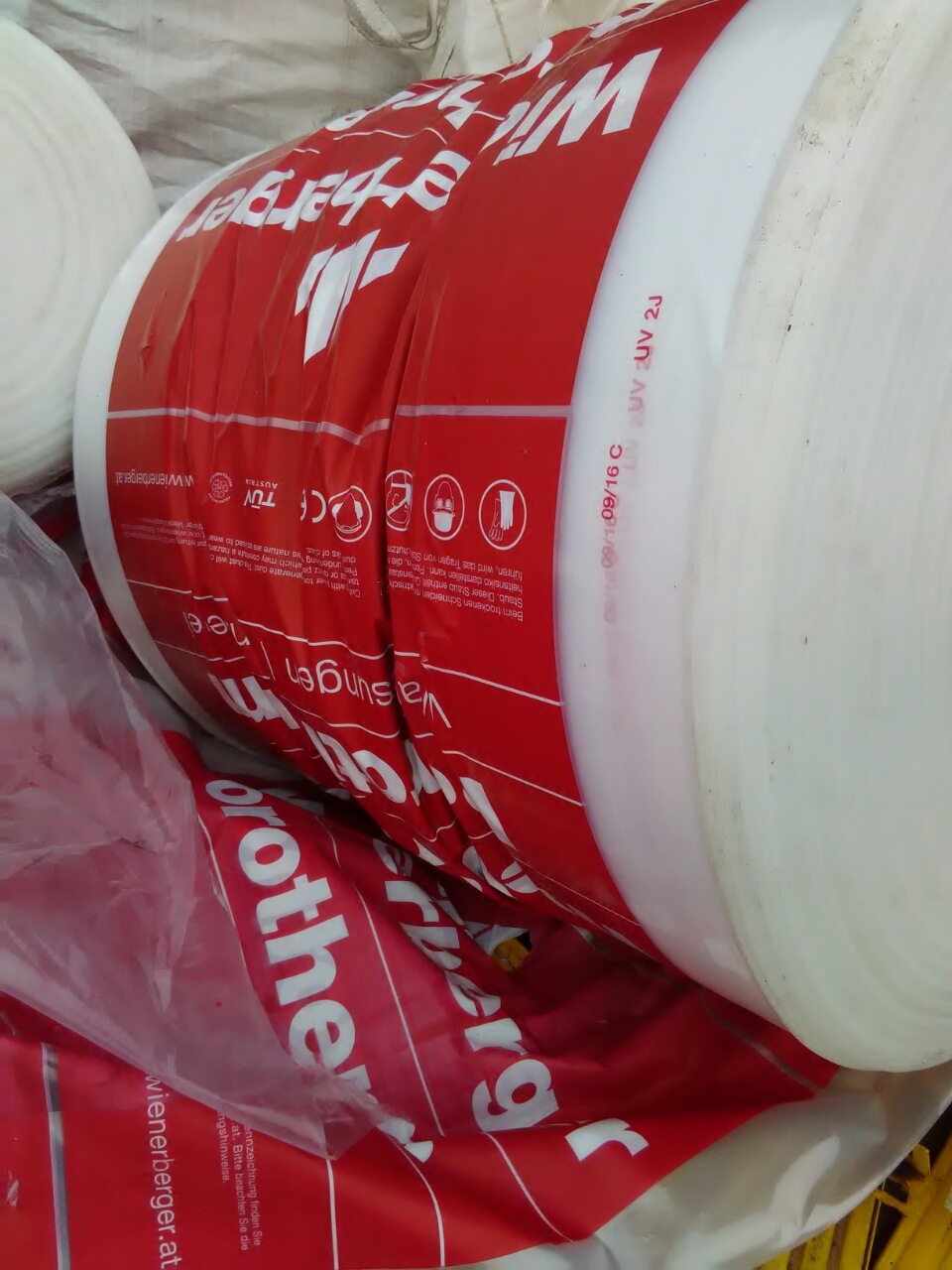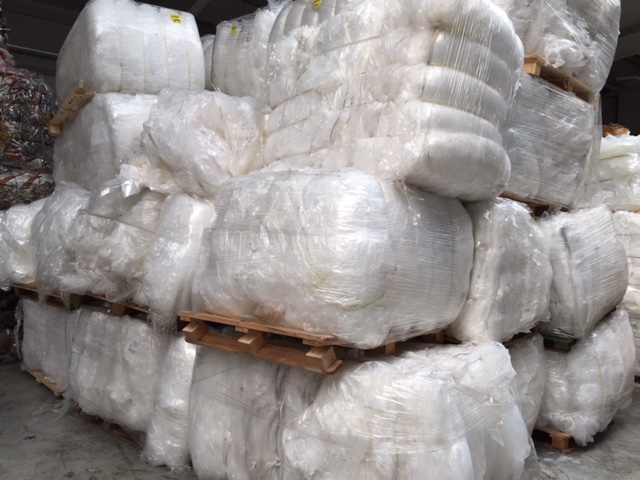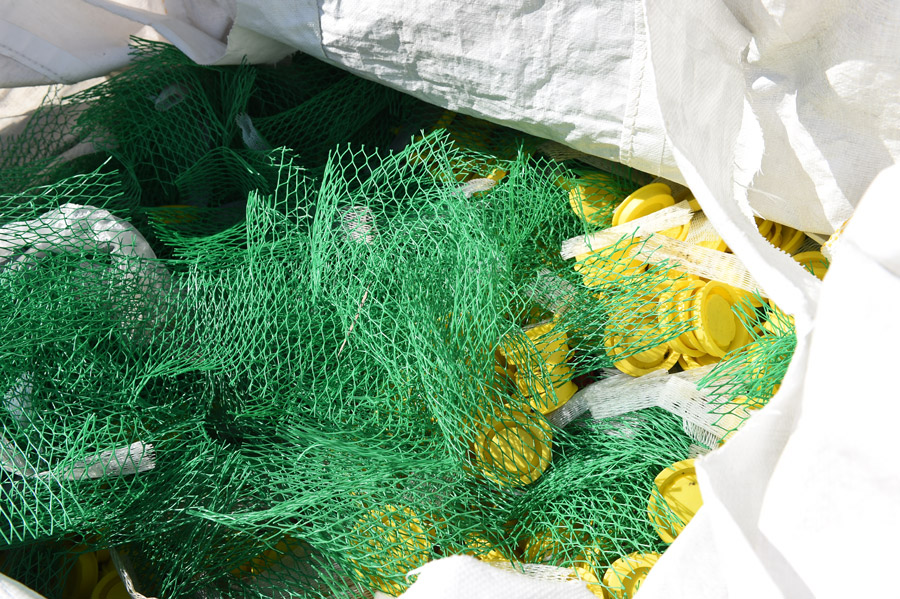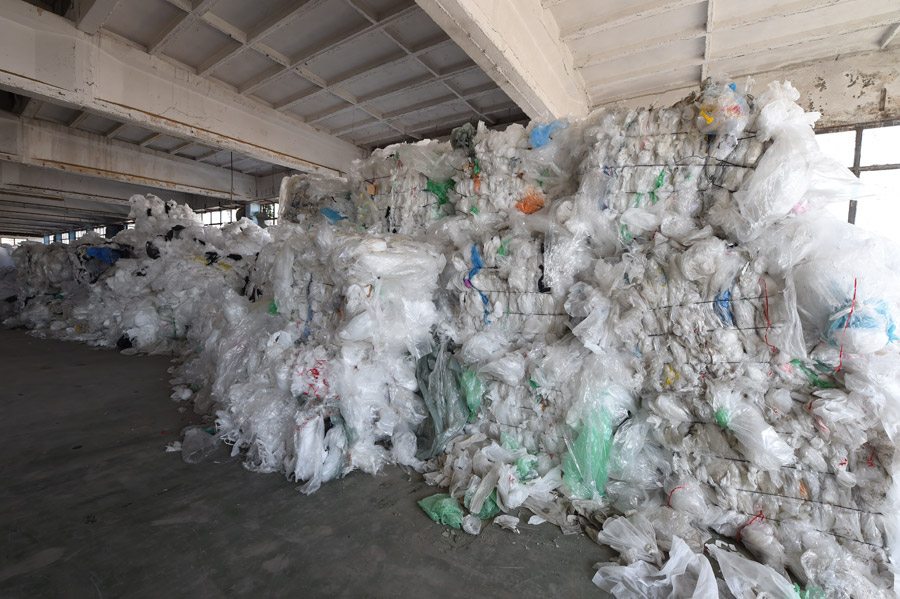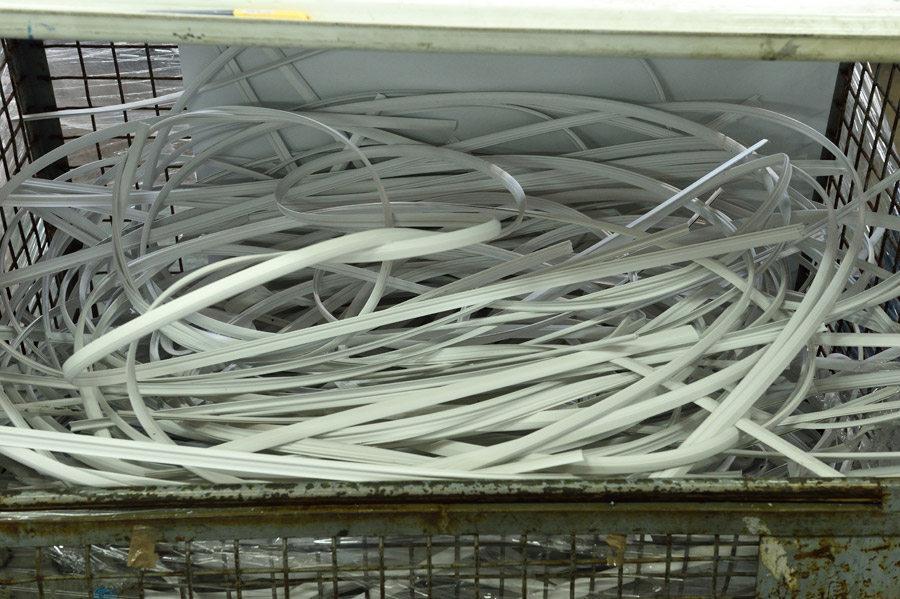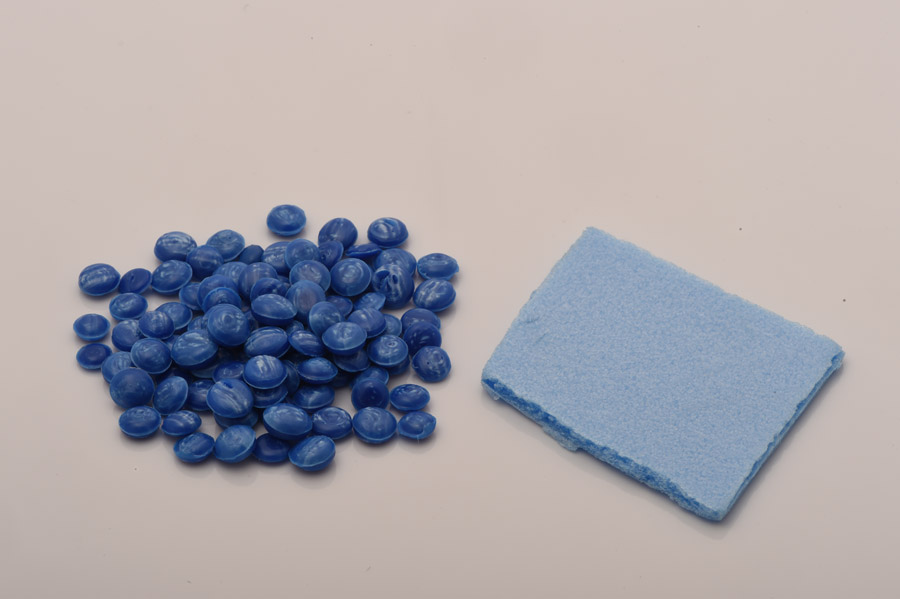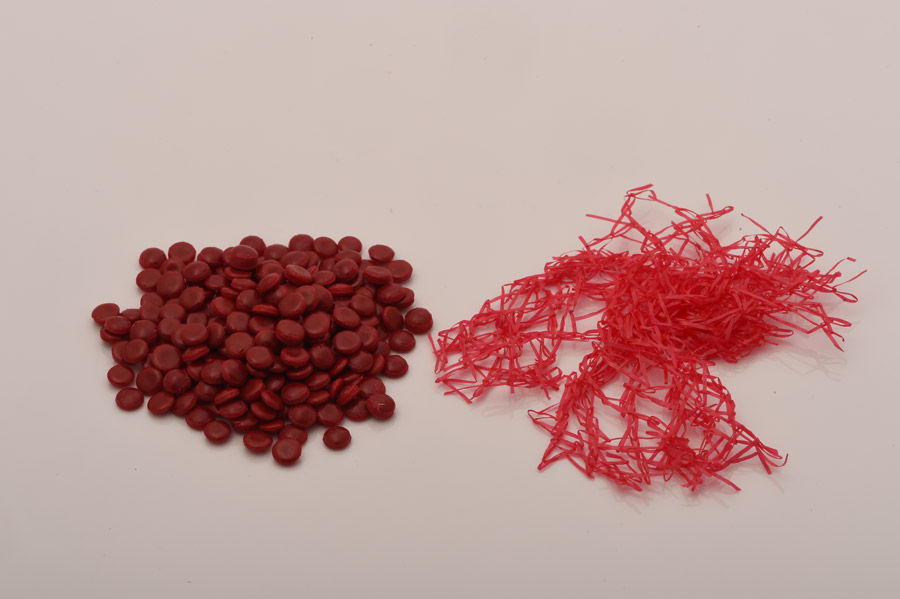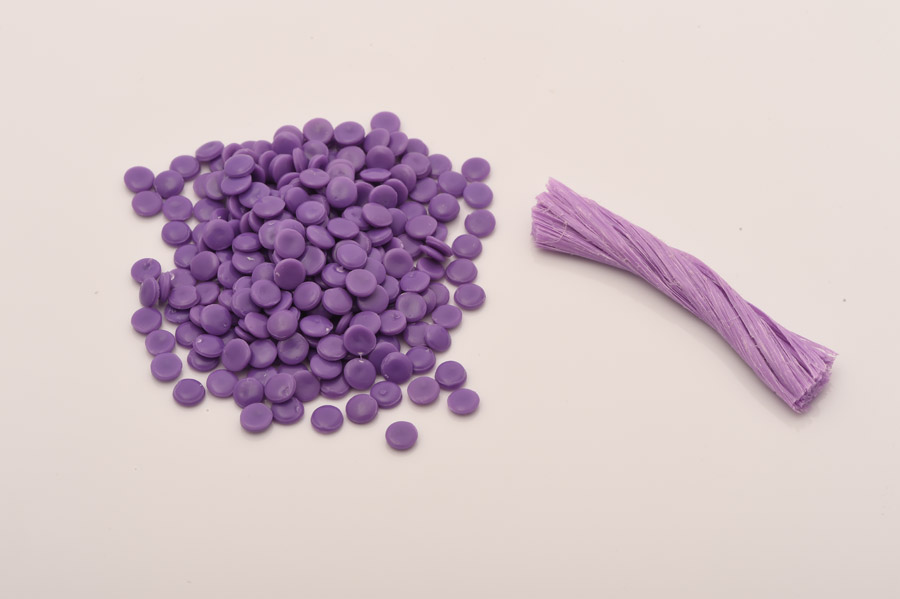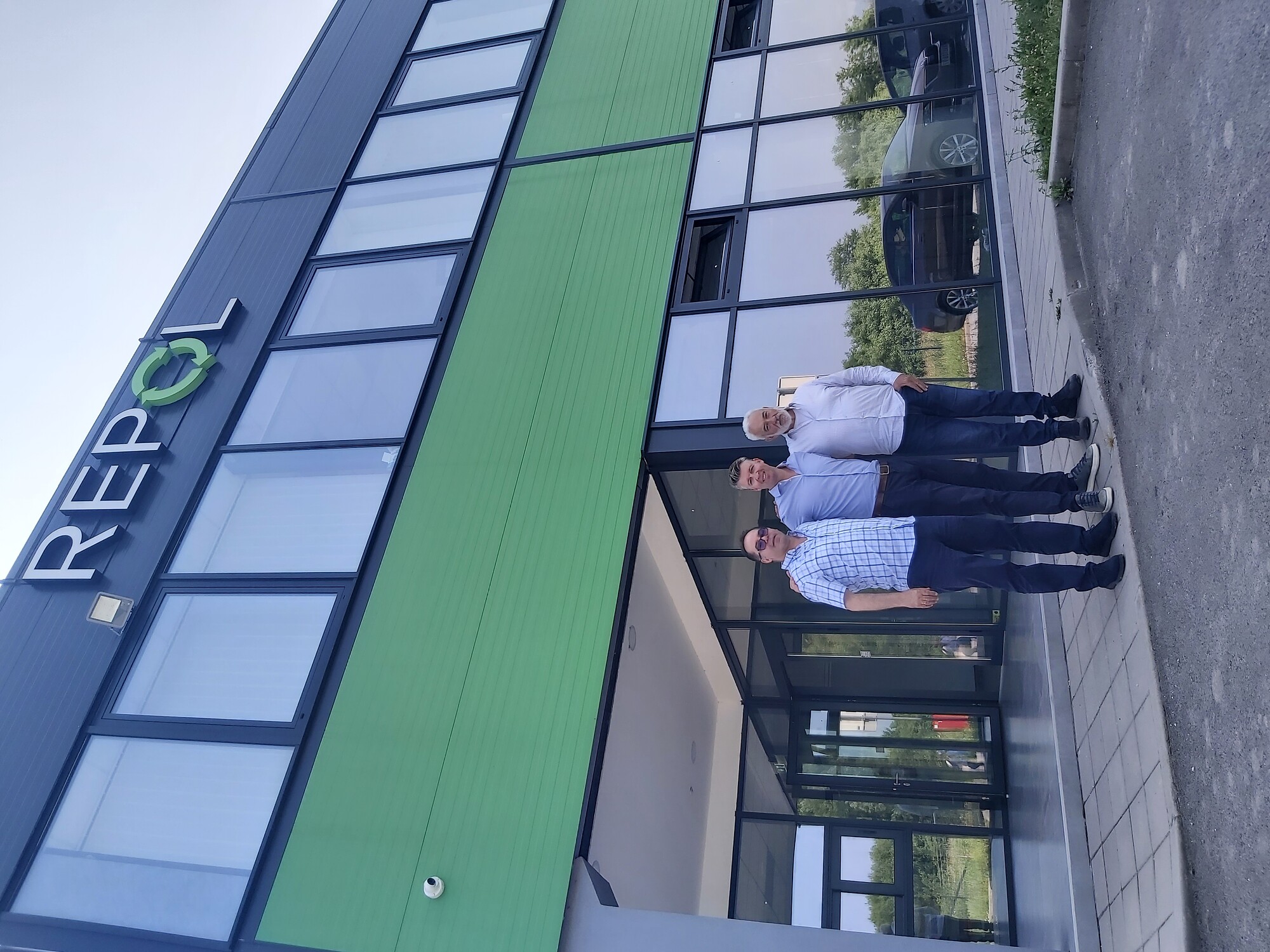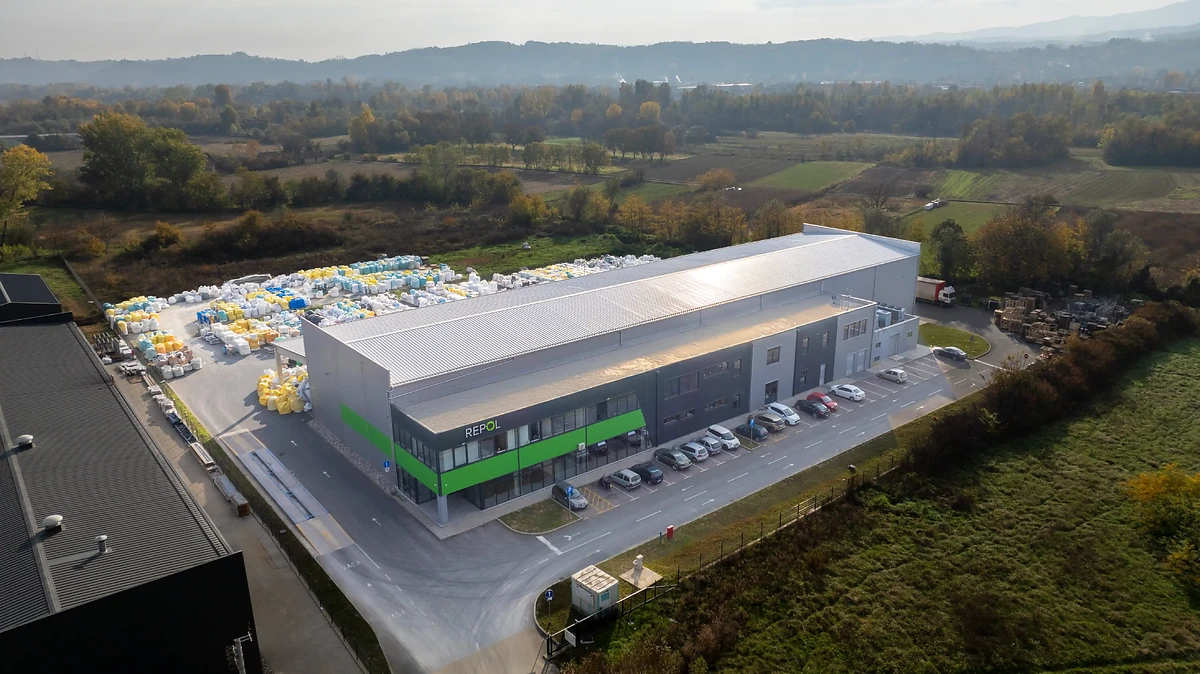
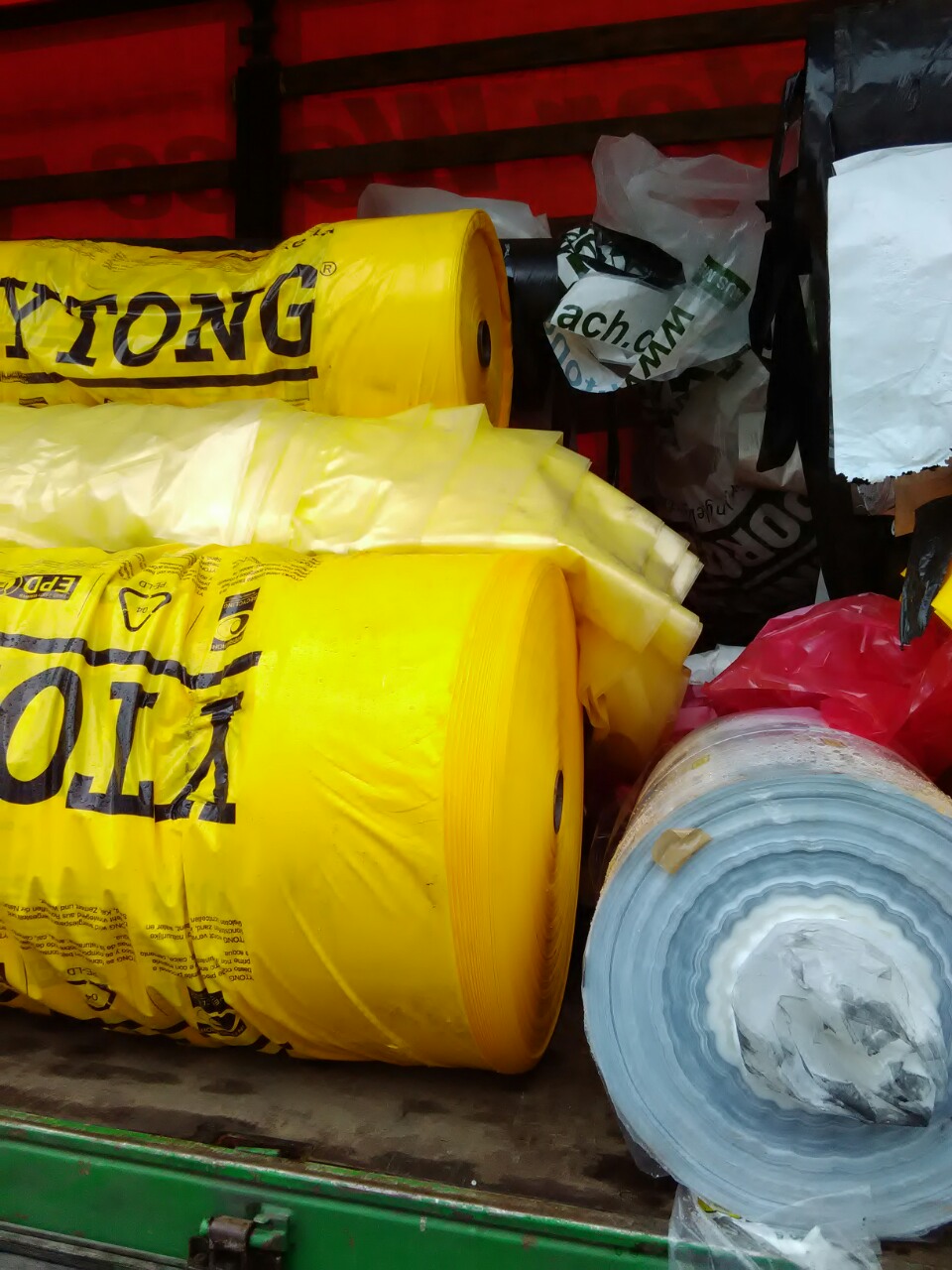
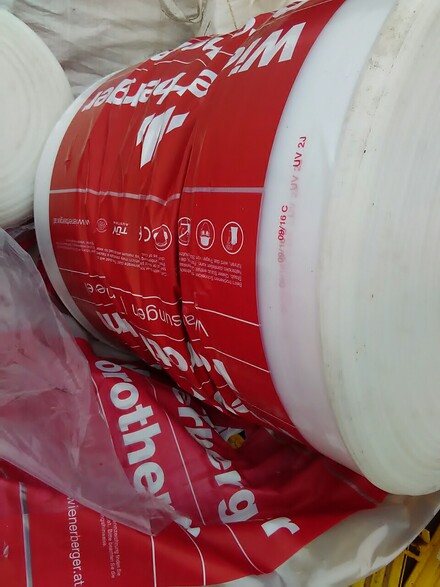
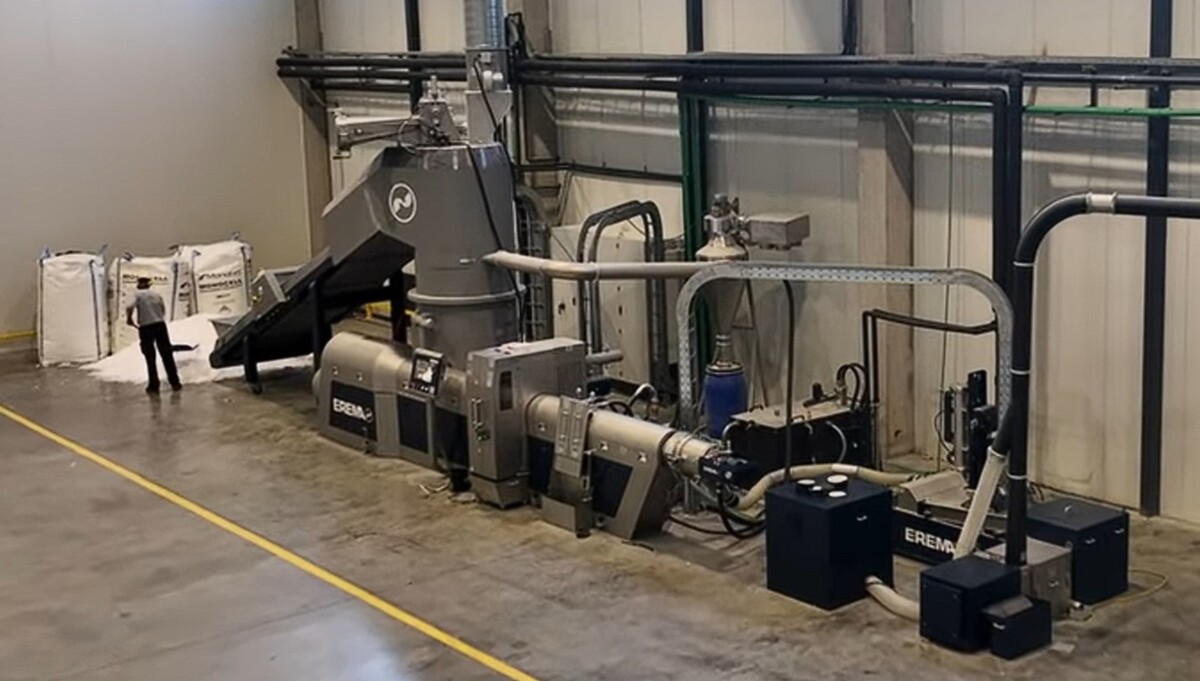
Printed films, coloured plastics, and moist material streams are considered challenging feedstocks in recycling. Nevertheless, the Serbian company Repol processes them into post-consumer (PCR) and post-industrial (PIR) recyclates with consistently high quality. At the core of this capability is the TVEplus® technology developed by Austrian recycling specialist EREMA.
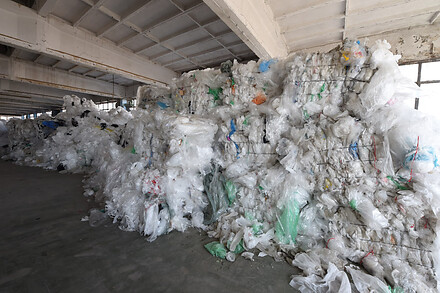
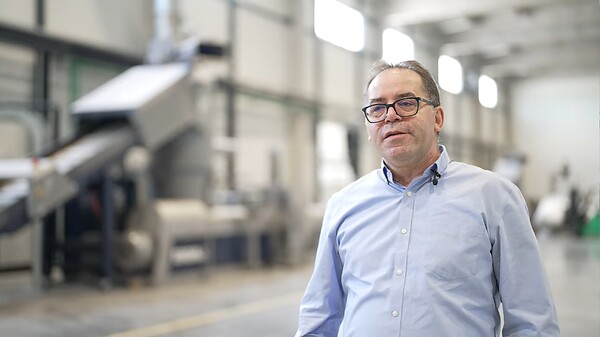
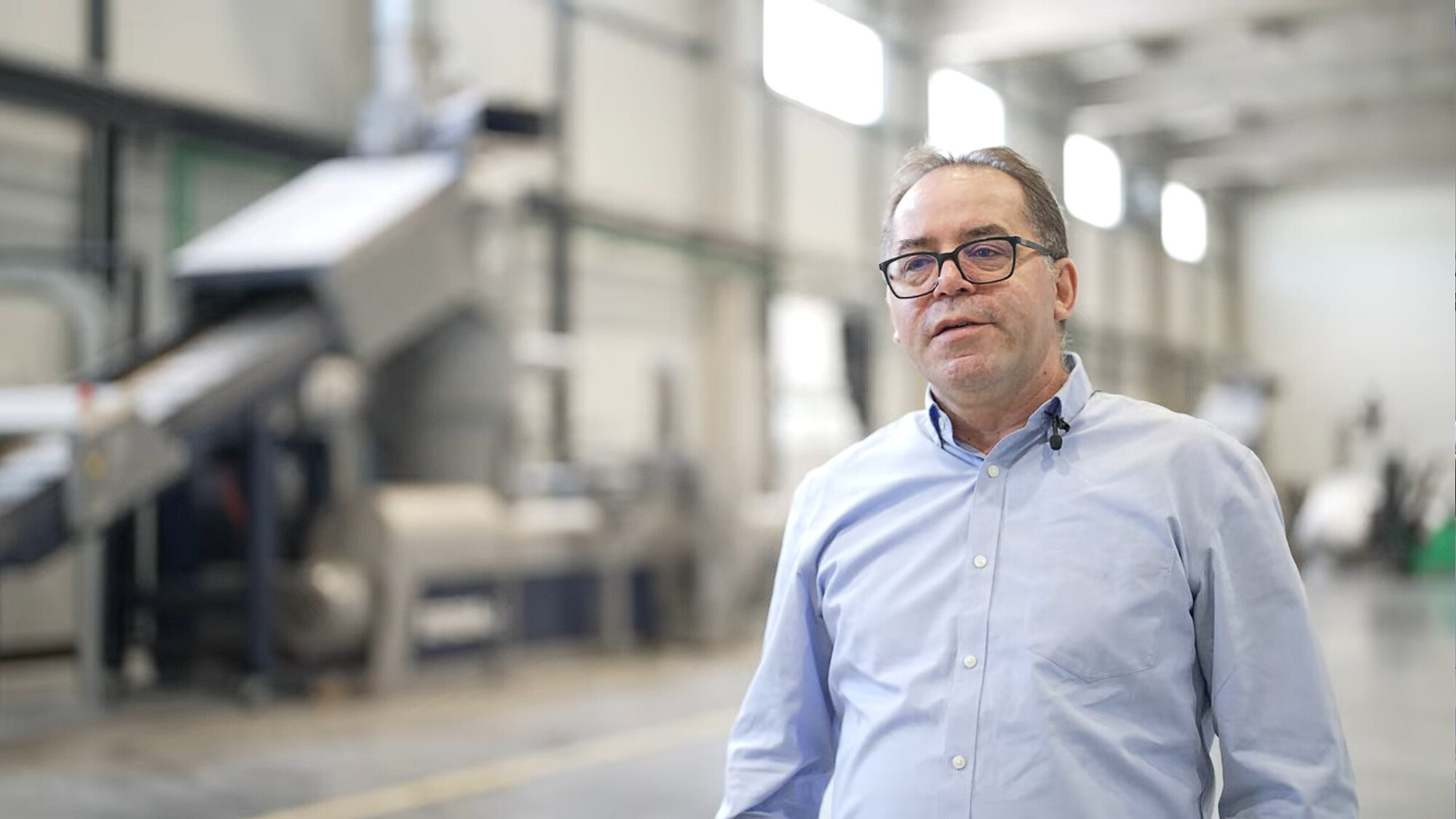
“In our plant in Valjevo, we process a wide variety of film and plastic waste. These materials are often coloured or printed and tend to have a high moisture content,” explains Managing Director Dejan Micić, describing the challenges his company faces on a daily basis. Converting these material streams into plastic pellets requires a technology capable of handling fluctuating material properties and high levels of contamination. When searching for the right solution, not only the technology itself was decisive, but also the expertise and process know-how behind it. “In EREMA, we found a partner that offers robust recycling technology while also providing deep technical understanding and experienced specialists,” emphasizes Dejan Micić.
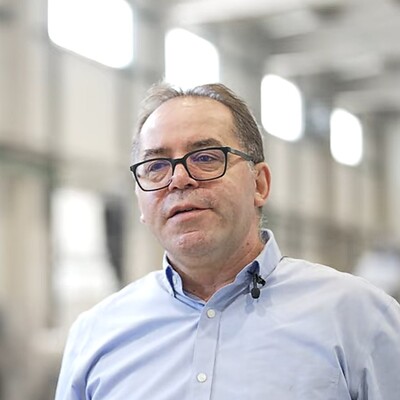
“In EREMA, we found a partner that offers robust recycling technology while also providing deep technical understanding and experienced specialists.”
Dejan Micić, Managing Director at Repol
Up to 10,000 tons of regranulate per year from challenging material streams
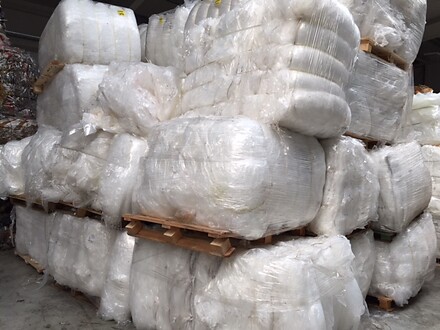
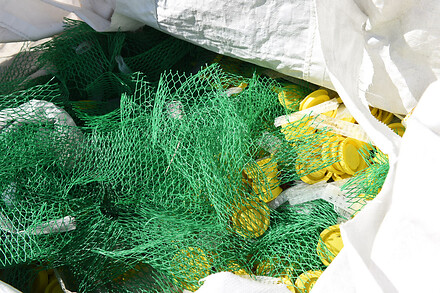
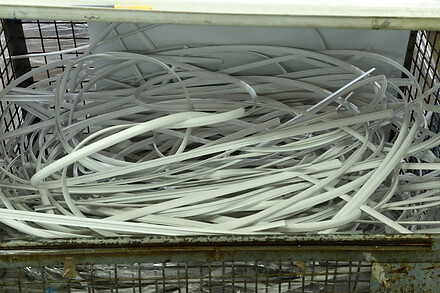
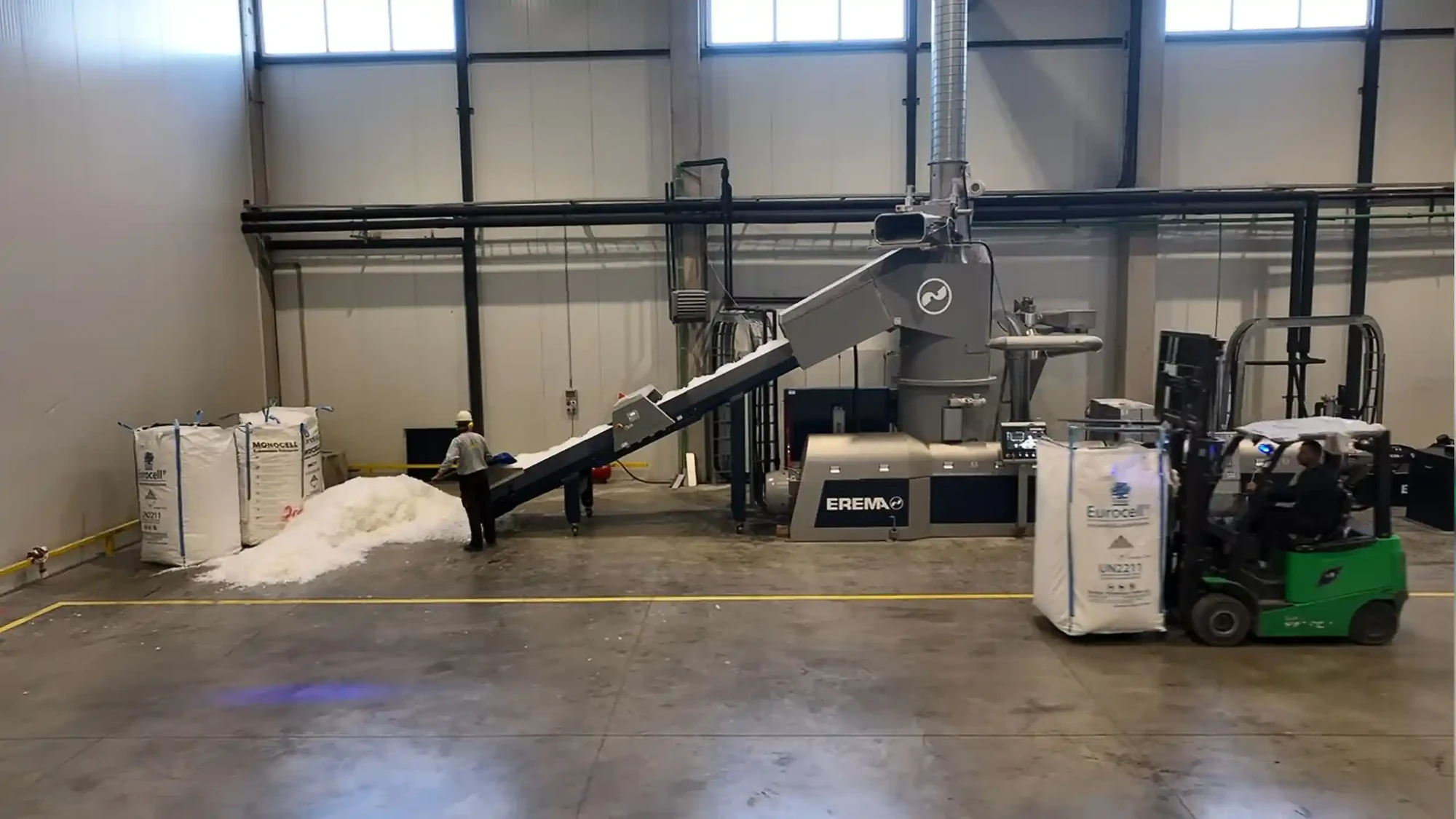
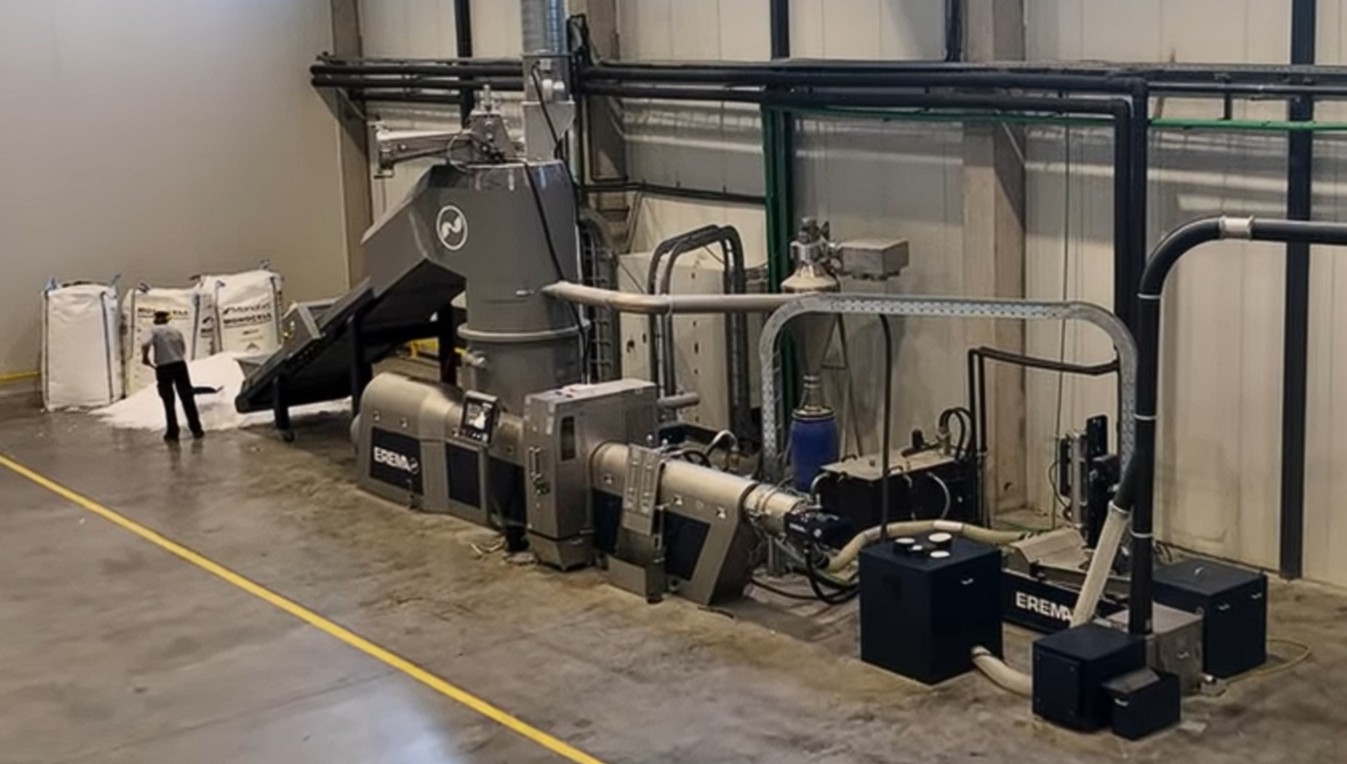
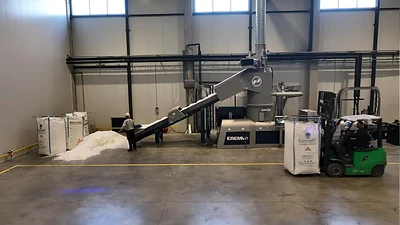
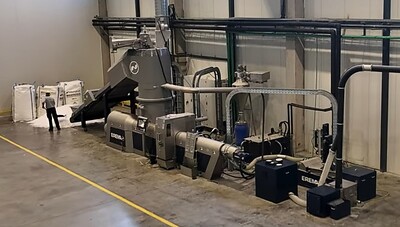
Repol sources plastic waste from a variety of origins. “We serve a broad spectrum ranging from production scrap from virgin material manufacturing to waste from injection moulding, film extrusion, or blow moulding, as well as used stretch films from transport logistics,” says Dejan Micić. Various polymers in different grades are processed, none of which require a washing step. To meet growing demand, Repol commissioned a third recycling system earlier this year in addition to its two existing INTAREMA® TVEplus® lines. “With the new INTAREMA® 1310 TVEplus®, we can increase our capacity to up to 10,000 tons per year,” says Dejan Micić.
Around half of the processing capacity is dedicated to toll recycling. Customers reuse the regranulates in their own manufacturing processes. “Over the years, we have acquired extensive knowledge of materials and the requirements of our customers and their end customers, enabling us to consistently meet the required quality standards,” says Dejan Micić. The remaining capacity is used for processing Repol’s own film and regrind material streams. These regranulates are incorporated in transport packaging, for example.
“Over the years, we have acquired extensive knowledge of materials and the requirements of our customers and their end customers, enabling us to consistently meet the required quality standards.”
Dejan Micić, Managing Director at Repol
“In addition to post-industrial recycling of production and industrial waste, post-consumer recycling of commercially used packaging is becoming increasingly important for us. This includes, for example, used stretch and shrink films from logistics and transport applications,” describes Dejan Micić, outlining the development of his company. As more post-consumer recyclates (PCR) are being processed, high decontamination performance has become essential. For this reason, Repol invested in a recycling system that ensures high process stability and delivers reproducible quality even when processing demanding material streams.
“EREMA’s TVEplus® technology gives us the confidence to reliably produce the required regranulate quality even from challenging material streams. It provides the necessary degassing performance to process heavily printed and very moist materials,” says Dejan Micić. Initial degassing already takes place in the Preconditioning Unit (PCU). This removes moisture and volatile substances at an early stage, relieving the subsequent process steps. After filtration in the backflush filter system, the melt is finally homogenized and degassed once again. As a result, recyclate quality remains consistently high even when input materials vary significantly.
“EREMA’s TVEplus® technology gives us the confidence to reliably produce the required regranulate quality even from challenging material streams. It provides the necessary degassing performance to process heavily printed and very moist materials.”
Dejan Micić, Managing Director of Repol
“Although market conditions for recycling companies are currently challenging, we expect to continue expanding our production in the medium term,” says Dejan Micić confidently. The infrastructure is already in place to double production. However, further investments will be required. “To expand our capacities for PCR LDPE from packaging films, additional investments are necessary, including a washing system,” reveals Dejan Micić, outlining the company’s future plans. This development is being driven by EU regulations and the growing demand for recycled materials from leading brand owners.

Sign up for the EREMA Edvanced Recycling Newsletter