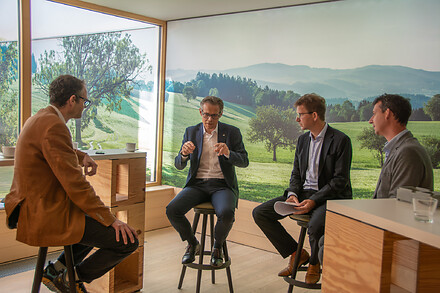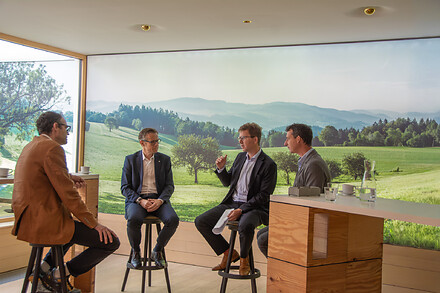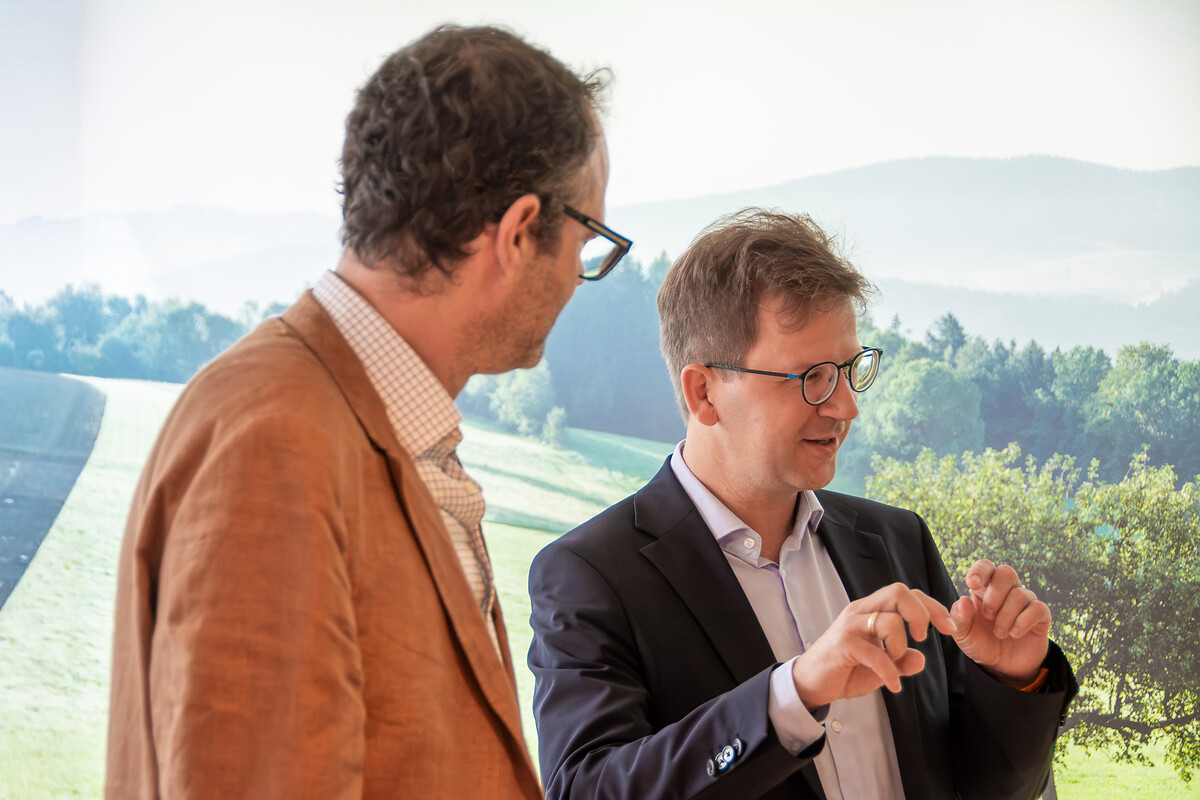
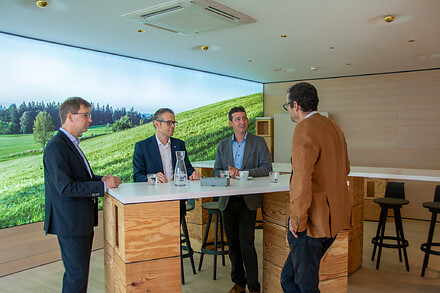
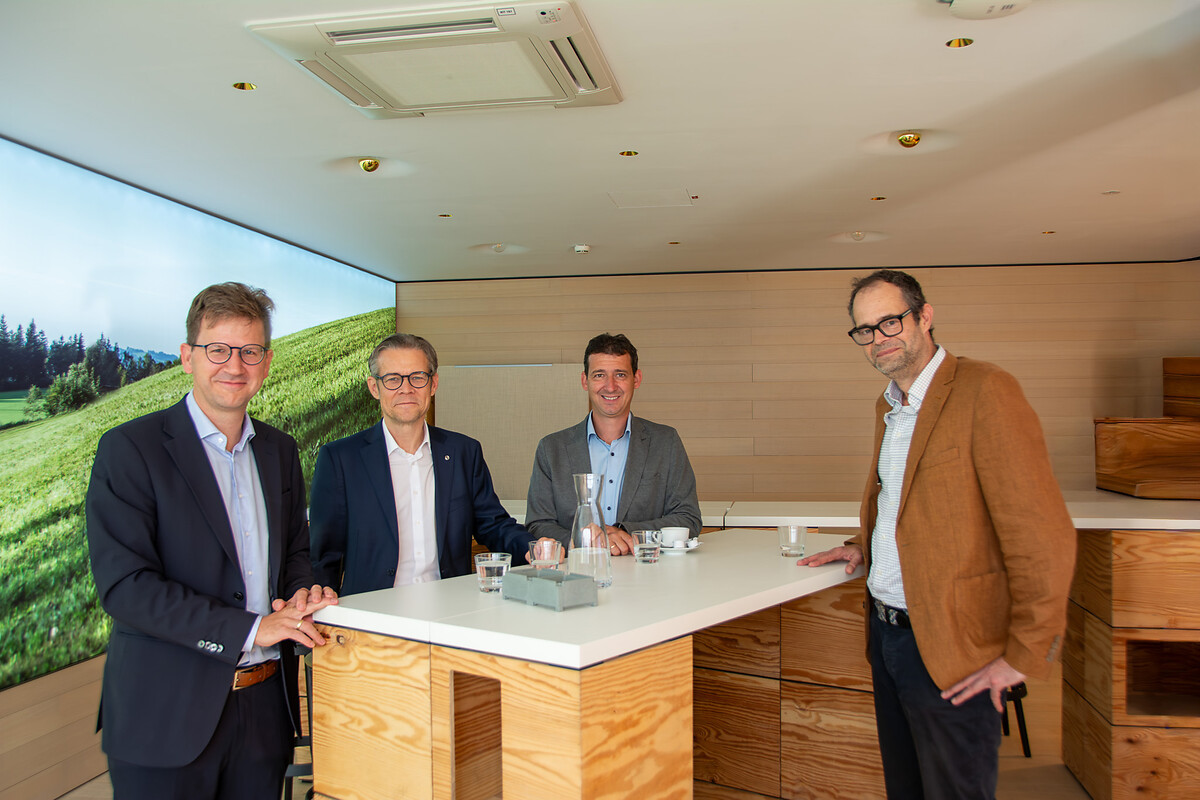
The plastics recycling industry is not short of data. In fact, machines generate enormous amounts of it every day. The real challenge is making the right information available at the right stage of the process. Experts from Lindner Washtech, ENGEL and EREMA discussed why closing this gap could be key to achieving more consistent quality recyclates.
This article summarises key insights from a discussion between Johannes Kilian, Vice President Process and Application Technology at ENGEL, Markus Huber-Lindinger, Managing Director at EREMA, and Georg Krenn, Managing Director at Lindner Washtech, moderated by Philipp Lubos. The discussion explored topics including traceability, digitalisation, AI, data security and process integration across the plastics value chain. Read the full article here.
The original German-language article was published by Circular Technology on 1 October 2026: https://circular-technology.com/qualitaet-entsteht-entlang-einer-durchgaengigen-datenkette/
Fluctuations in material properties are unavoidable in plastics recycling. Post-consumer waste varies depending on collection systems, material composition, contamination levels and previous use. These differences continue throughout the recycling process.
Importantly, variability is not exclusive to recyclates. The experts pointed out that virgin polymers can also display batch-to-batch differences despite carrying the same material designation.
The objective is therefore not to create a perfectly uniform material stream, but to understand variations and manage them within defined processing limits.

“We won’t be able to eliminate the fluctuations, but we can work with them.”
Markus Huber-Lindinger, Managing Director, EREMA
Consistent quality recyclates are not created by a single machine. Collection, sorting, washing, extrusion, filtration, pelletising and conversion all influence the properties of the final material. According to the panel, quality is the result of the entire chain working together. This means quality management starts long before extrusion. Data on material origin, composition, moisture, colour, impurities and previous processing steps helps recyclers better understand their material stream.
Digitalisation therefore begins with material stream management rather than with machine control alone. The discussion highlighted an apparent contradiction: the industry is not short of machine data, yet critical information is often unavailable where it would create the greatest value. The challenge is identifying which information is relevant for the next process step and making it available in time.
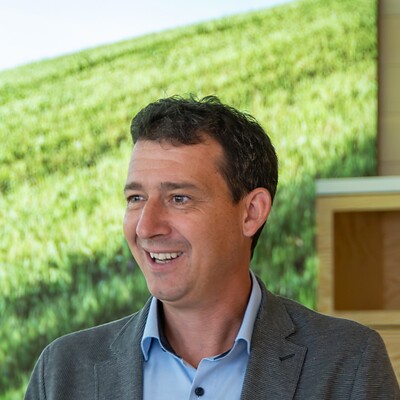
“The process must match the material more closely in order to be able to react to fluctuations in quality.”
Georg Krenn, Managing Director, Lindner Washtech
Laboratory-style measurements are barely possible during live production, and results from the lab generally arrive too late to adjust the settings. Measuring quality directly at the machine helps operators react immediately. QualityOn, for example, is a system capable of monitoring parameters such as melt volume rate (MVR), colour values and material composition online during operation.
It is even more difficult to detect during the pre-treatment process, whether and to what extent the polymer has already degraded. According to Markus Huber-Lindinger, new online measuring instruments would be needed to do this, and there are considerable technical challenges involved in implementing such a system.
The experts agreed: collecting data alone is not enough. The next process stage must receive the relevant information. One practical example discussed is a data interface jointly developed by EREMA and Lindner Washtech. It demonstrates how information generated in one process stage can be used to improve process control in the next.
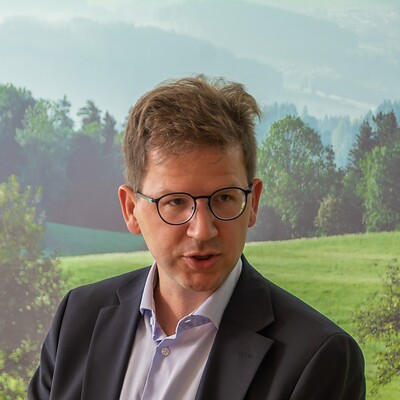
“Sharing data must create real value for the processor.”
Johannes Kilian, Vice President Process and Application Technology, ENGEL
When quality deviations occur, recyclers and processors need to know where and when they originated. Traceability and batch-specific quality documentation are thus becoming increasingly important. End-to-end traceability could significantly boost market demand for high-quality recyclates. This would pave the way for the wider use of recyclates for demanding applications, such as for food packaging, hygiene and safety-related applications. Markus Huber-Lindinger expects that traceable recyclates with consistent quality will be able to close the price gap with virgin materials.
The discussion also highlighted that quality requirements depend on the application. While functional requirements in areas such as automotive components or stretch film leave little room for deviations, other applications can successfully work with specific recyclate characteristics. One example discussed was the use of recyclate flakes from a defined colour fraction in packaging applications. By keeping this material stream within a dedicated recycling loop, additional material streams can be retained in high-quality recycling applications.
When operating a recycling machine a considerable amount of time can elapse between taking action and seeing results. Predictive models can be a huge advantage. The panel agreed that, by forecasting process conditions before quality deviations occur, they can support earlier interventions and help operators manage increasingly complex processes. AI-supported systems can assist operators, but do not replace process expertise.
Improving recyclate quality requires more than advanced machinery. Better measurements, stronger traceability and more effective data exchange across company boundaries can help recyclers and processors work productively with material variability.
Secure data sharing remains an important prerequisite, and industry-wide approaches are still evolving. According to the panel, there are various solution approaches, but it is still unclear which solution will prevail.
Material fluctuations are unavoidable. Information losses are not. The next leap in recyclate quality will come from connecting data across the value chain.
For a deeper dive into the discussion, including perspectives on digital product passports, AI-supported process control and future data-sharing models, read the full article: Quality is created along an end-to-end data chain

Sign up for the EREMA Edvanced Recycling Newsletter