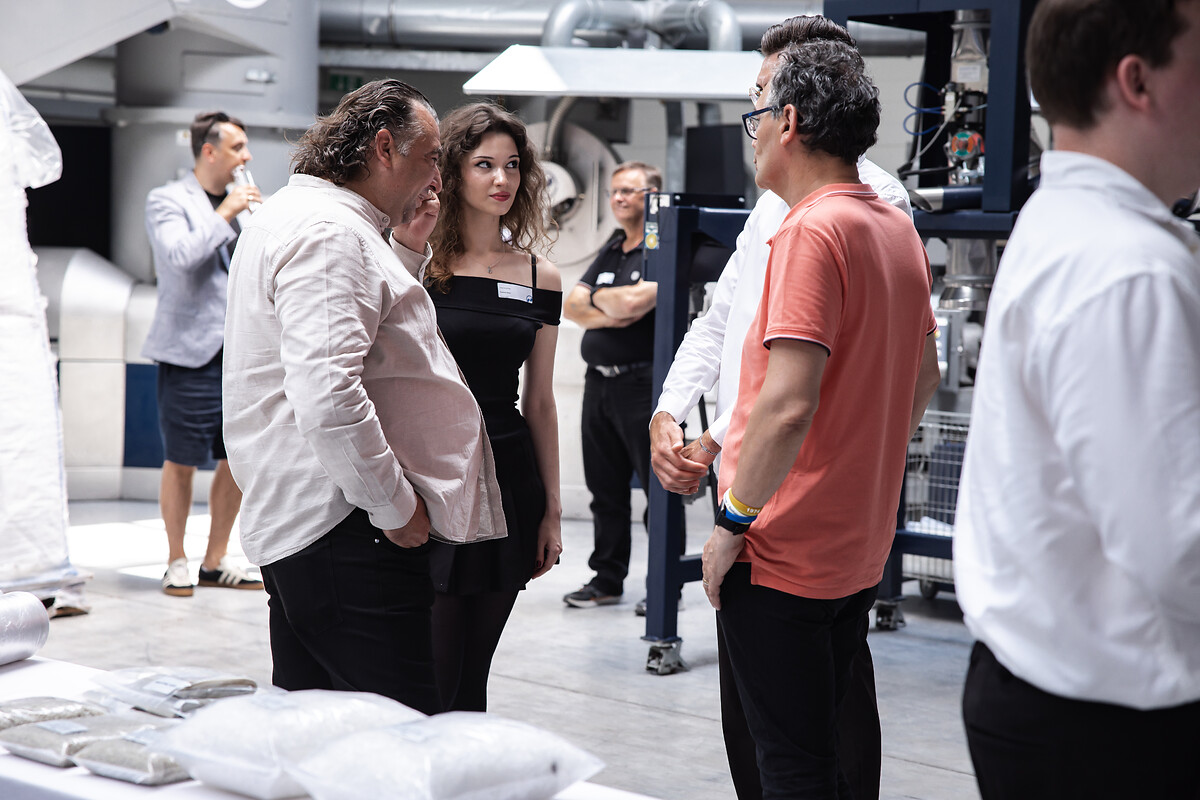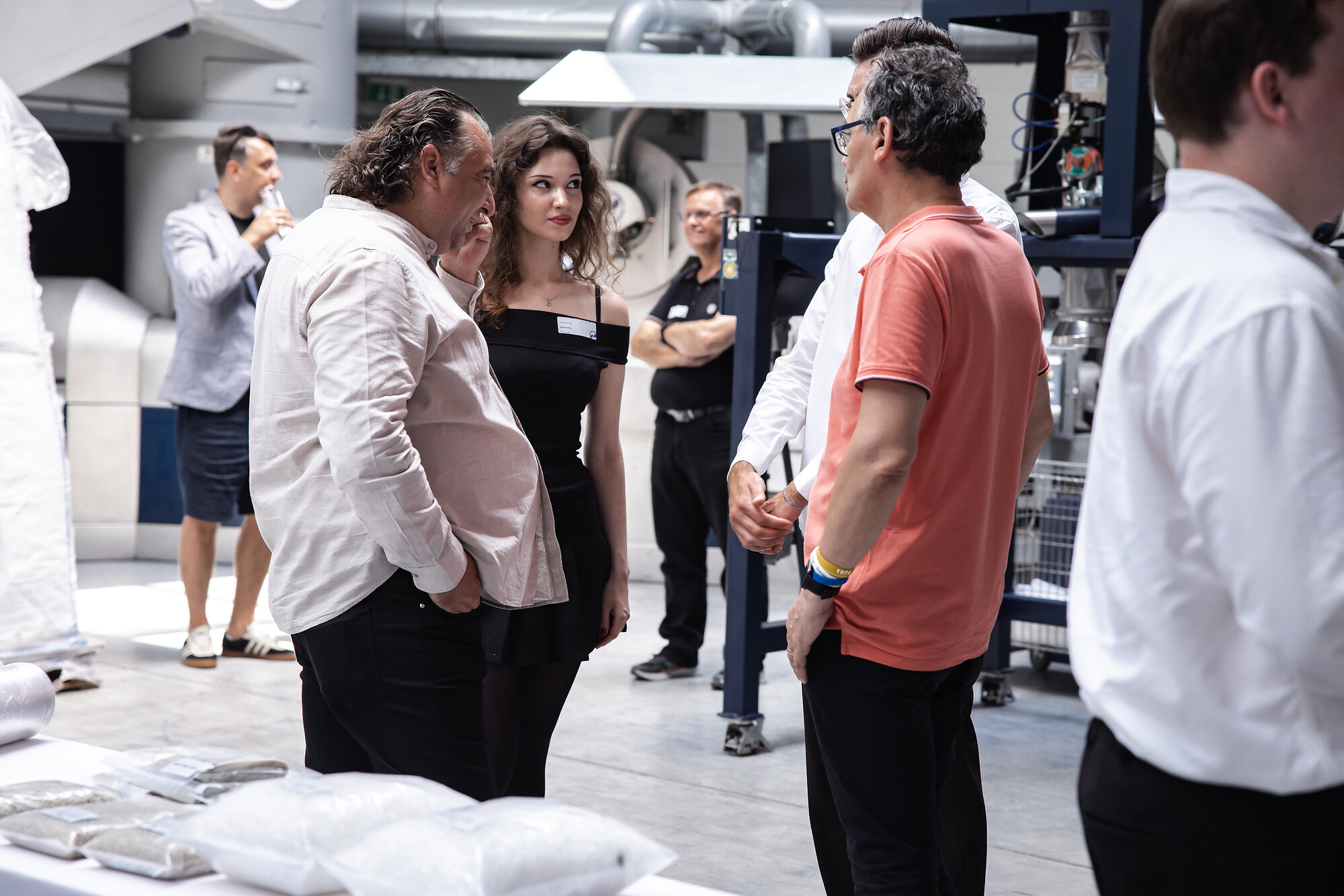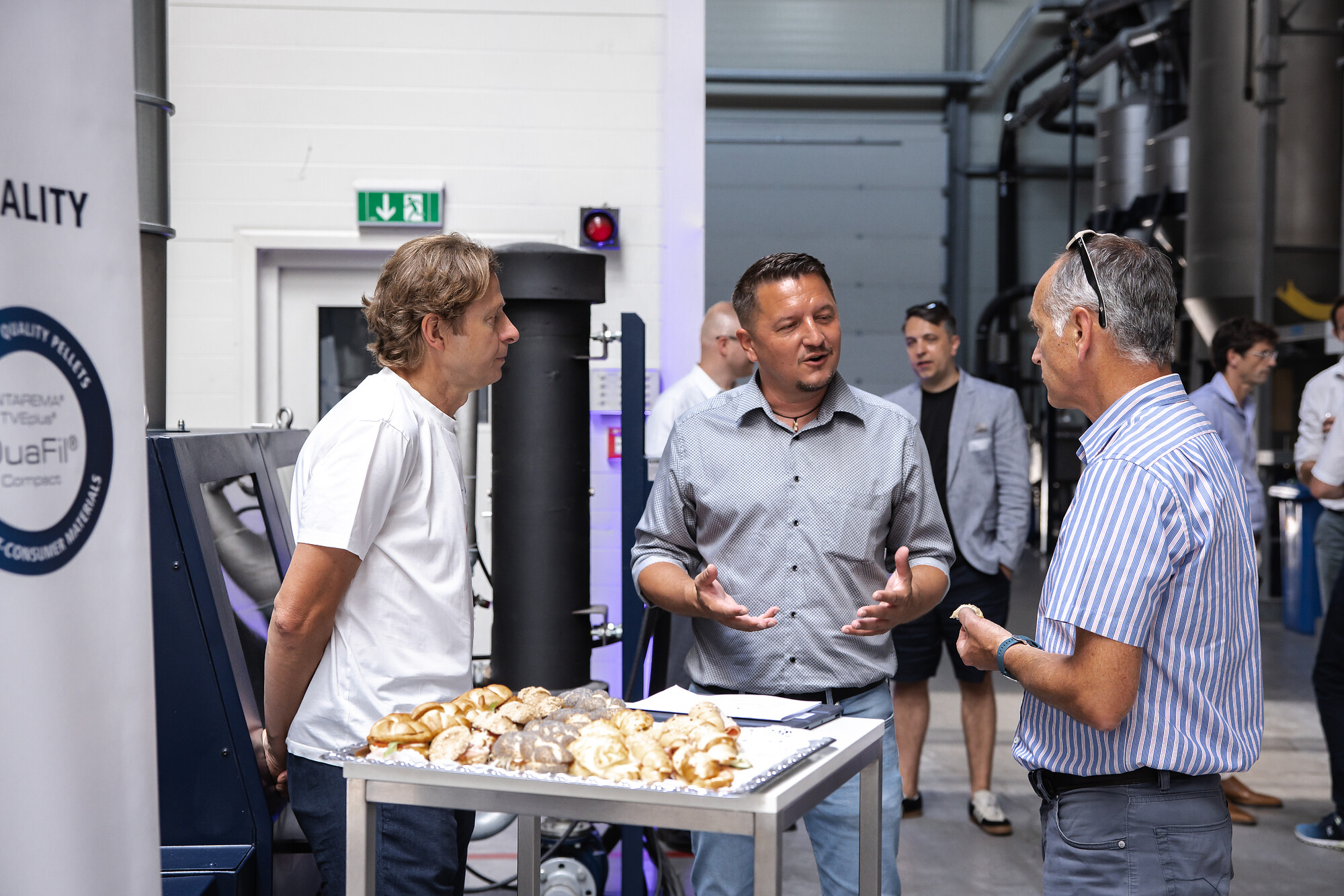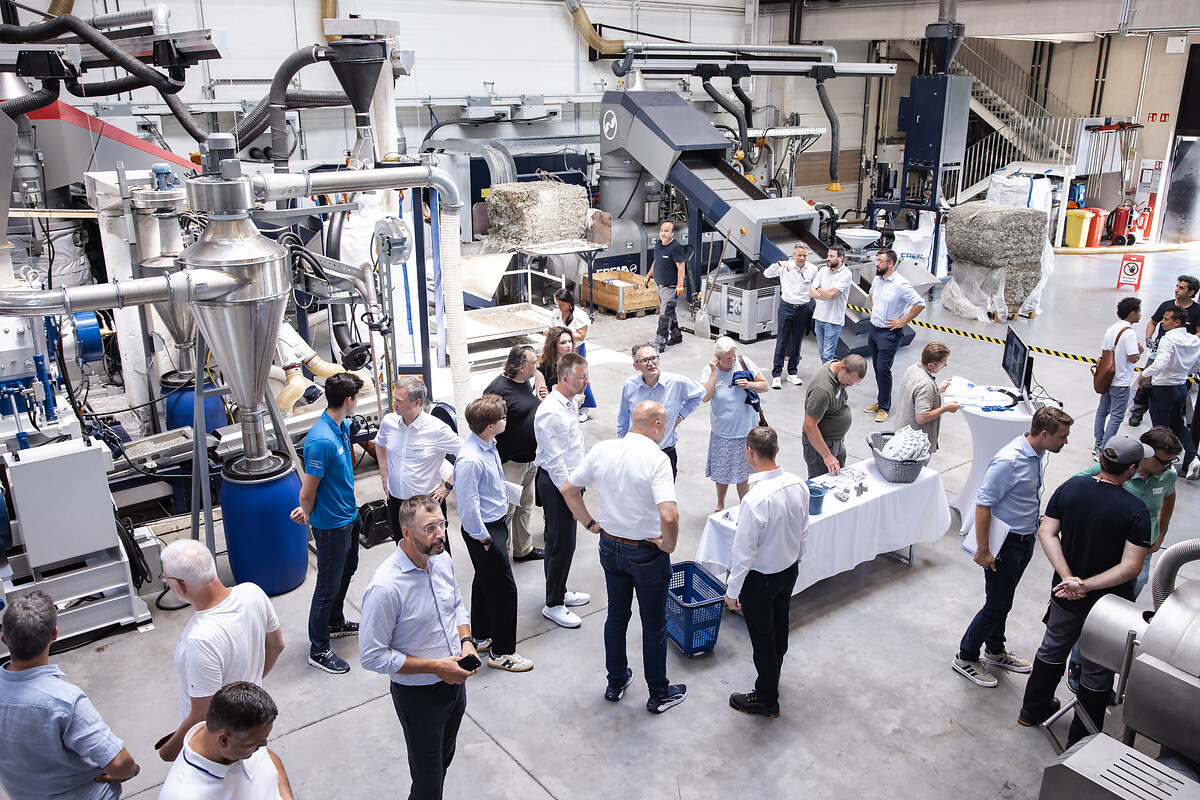
At the Edvanced Recycling Days, industry frontrunners came together at the EREMA headquarters to tackle one central question: how can post-consumer recycling deliver consistent quality at scale? Over two days, discussions and live demonstrations focused on what matters in practice – from meeting food- and cosmetic-grade requirements in the polyolefin segment to ensuring cost-efficient production and unlocking new markets through higher quality and productivity.
On 29 and 30 June 2026, the Edvanced Recycling Days took place at the EREMA headquarters in Ansfelden, Austria, bringing together industry players from across the plastics value chain. With a clear focus on post-consumer recycling, the event centred on practical solutions, real-world challenges and direct exchange between practitioners.
Experience the Edvanced Recycling Days
To capture the key moments and impressions of the event, watch the video below:
Circularity needs courage
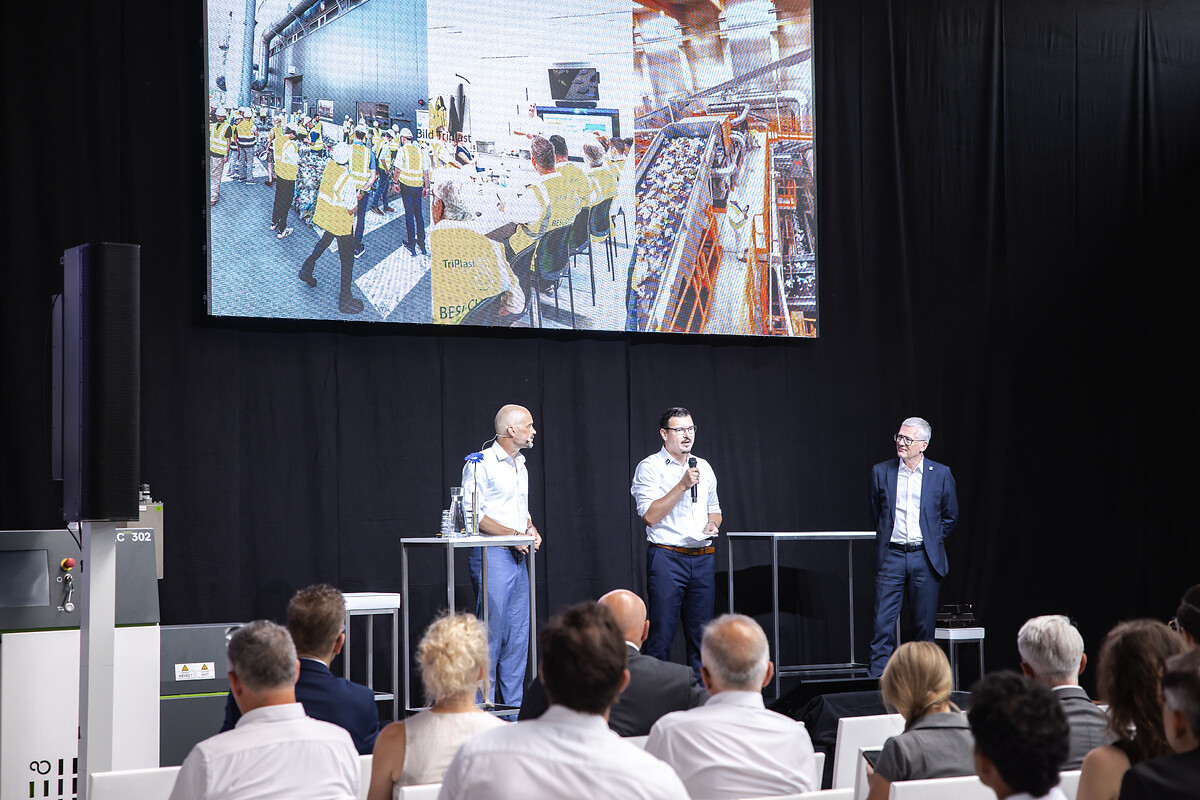
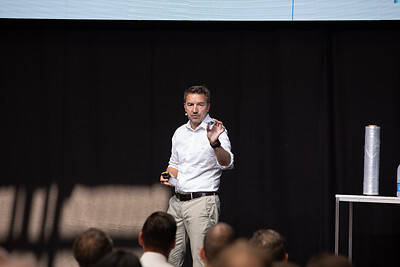
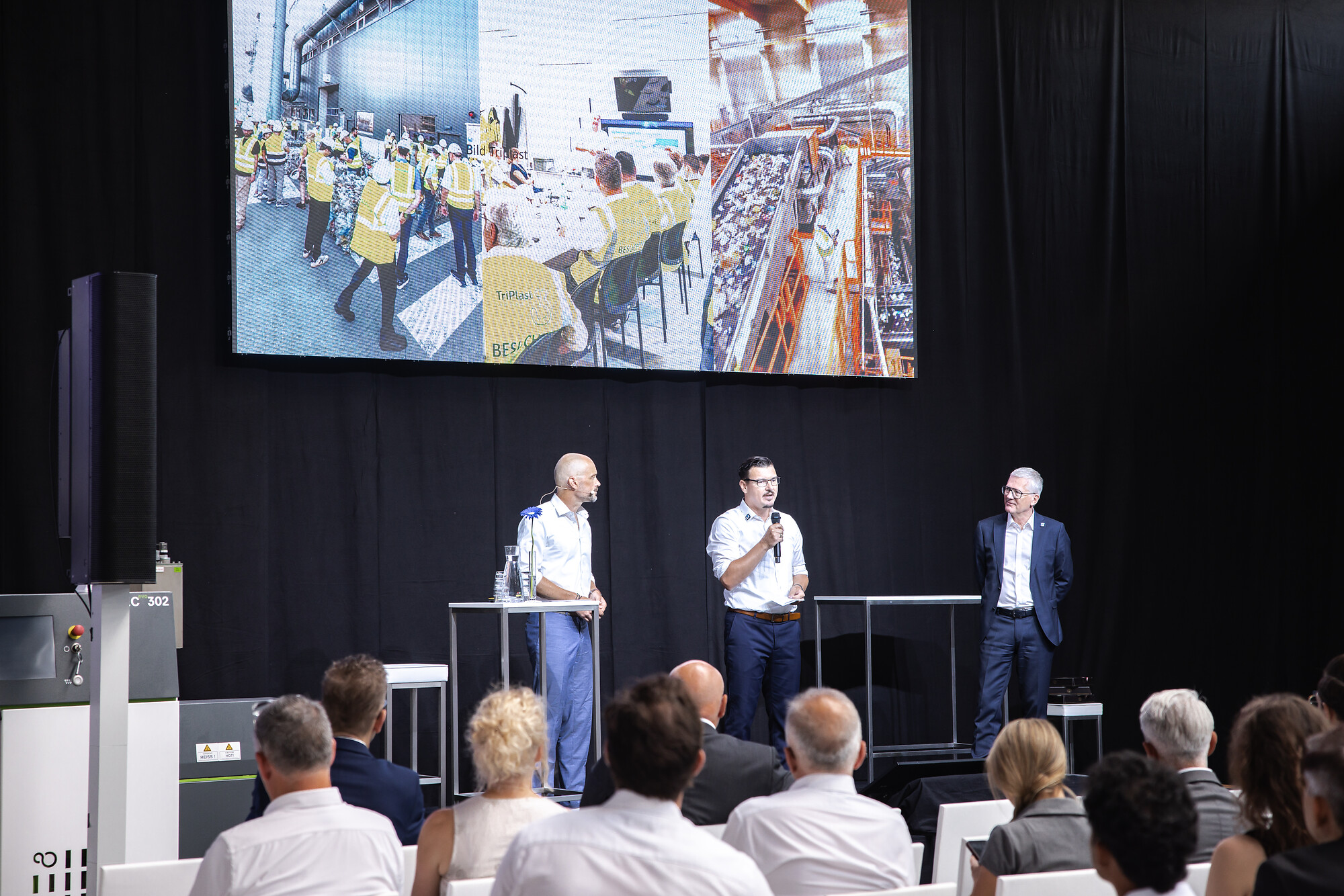
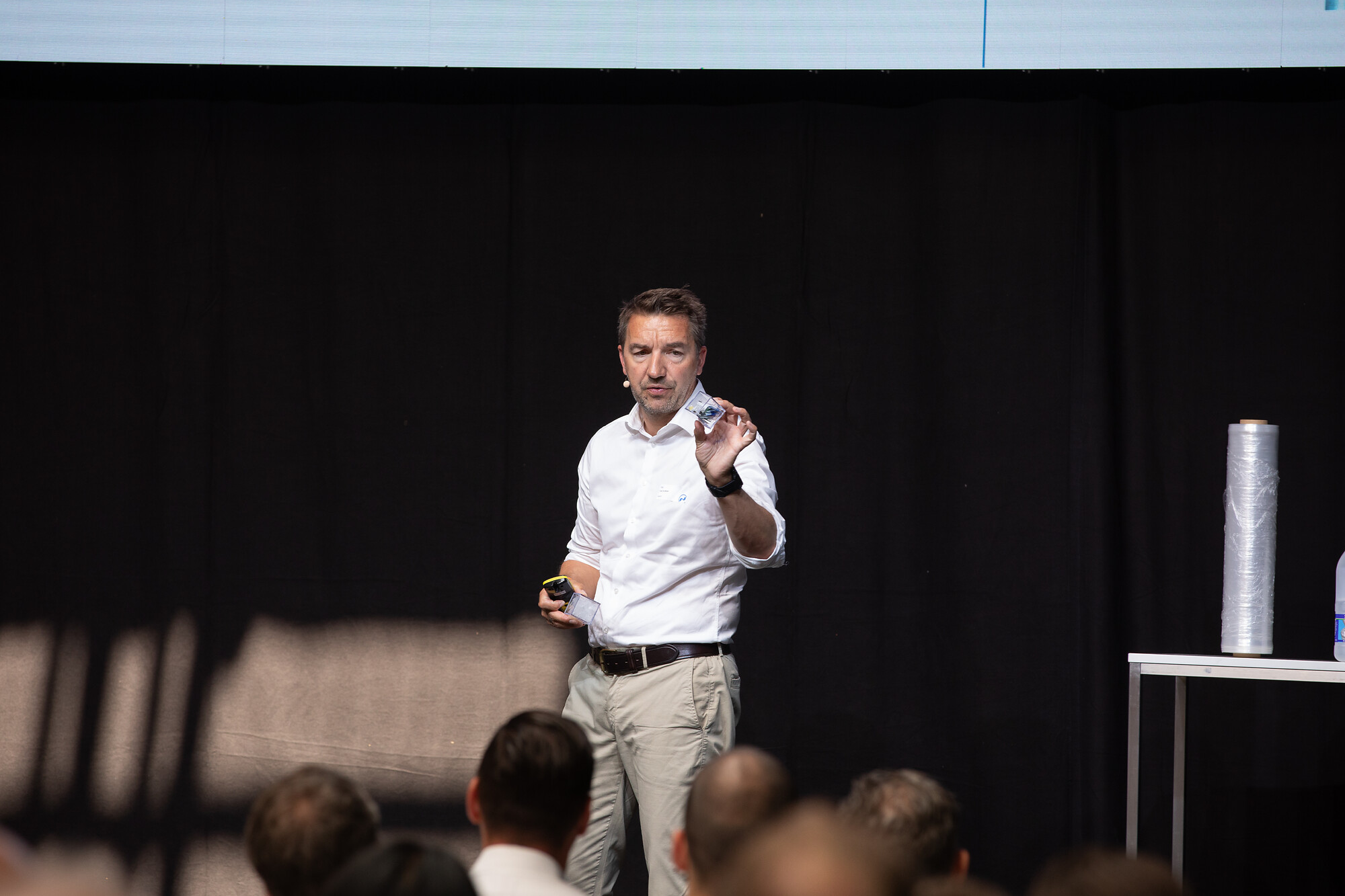
A central message shaped the event: circularity does not happen by itself. It requires clear decisions and the courage to act on them. From the moment Gerold Breuer (EREMA Group) welcomed the guests, it was evident that the next two days would focus on practical solutions and tangible progress.
During the keynote session on the first day, Ton Emans (Plastics Recyclers Europe) stressed that plastics recycling needs more than good intentions. It requires real demand, fair competition and clear strategic direction. Building on this, Manfred Hackl (EREMA Group) emphasised that increasing recycled content is not just about volume, but about reliability. Stable quality, clearly specified material properties and a consistent supply of recyclates are essential to achieve this. At the same time, he pointed out that reducing the use of virgin material lowers dependency on primary resources.
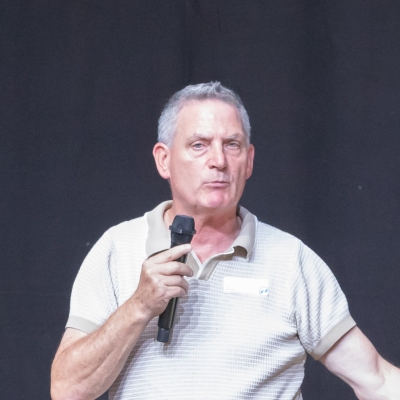
Circularity needs more than ambition: real demand, fair competition and policy action.
Ton Emans, President Plastics Recyclers Europe
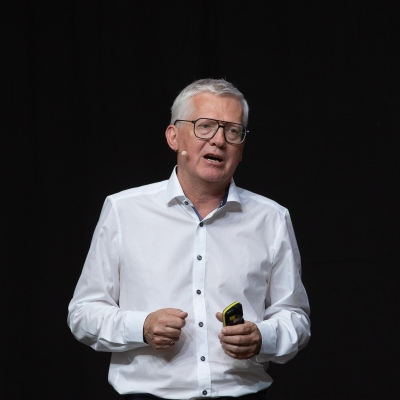
Edvanced Recycling is not a vision of the future. It is what you, the frontrunners of our industry, are making happen today. Seeing how you bring more recycled content into plastic products with our technologies is truly inspiring.
Manfred Hackl, CEO EREMA Group
Heinz-Henning Seute (LH-Plastics) put it plainly: making the right decision is important, but companies also need the courage to act on it. Recycling in Europe will not progress through regulation alone. It requires investment and commitment.
High-quality recyclates start with good sorting
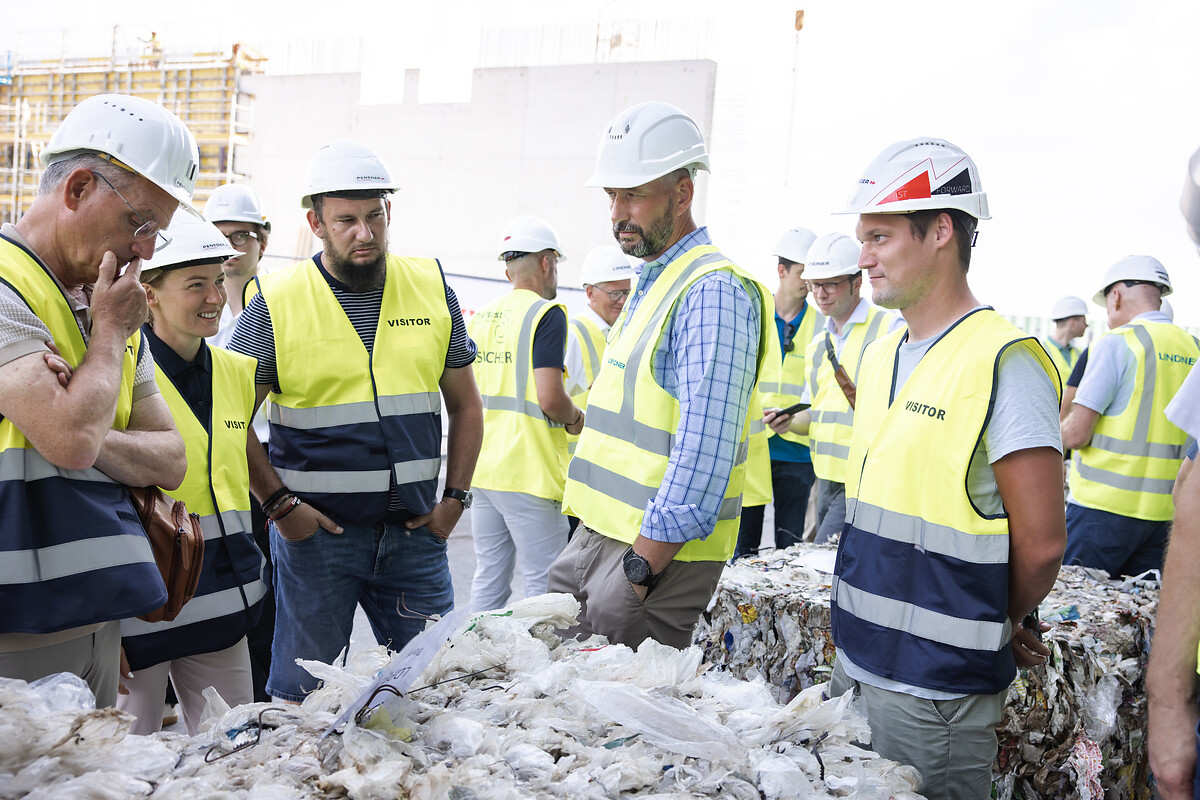
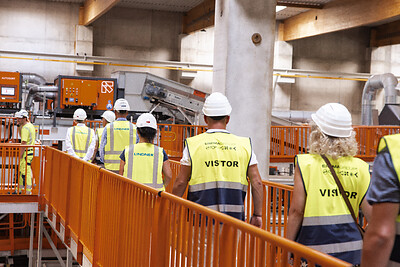
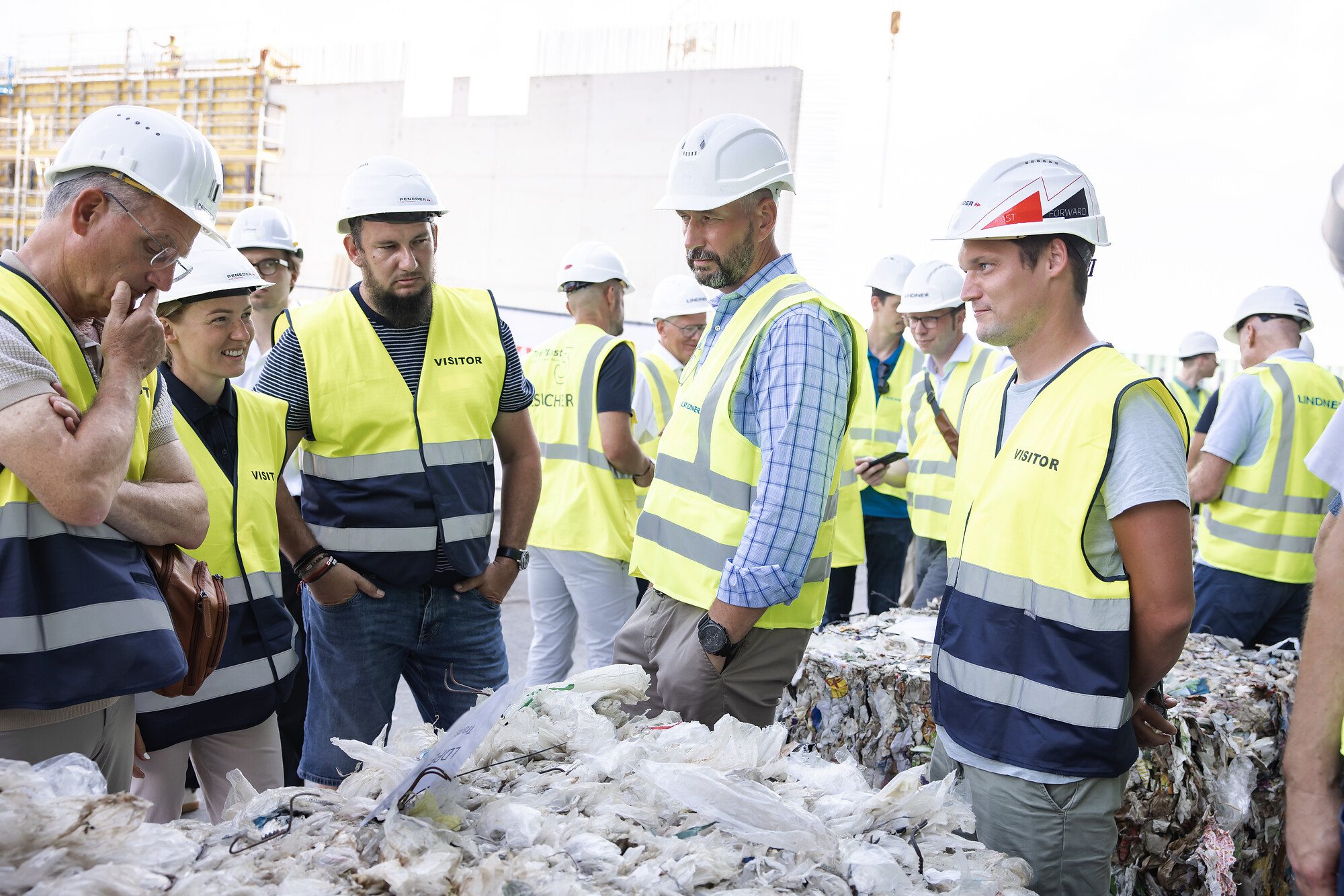
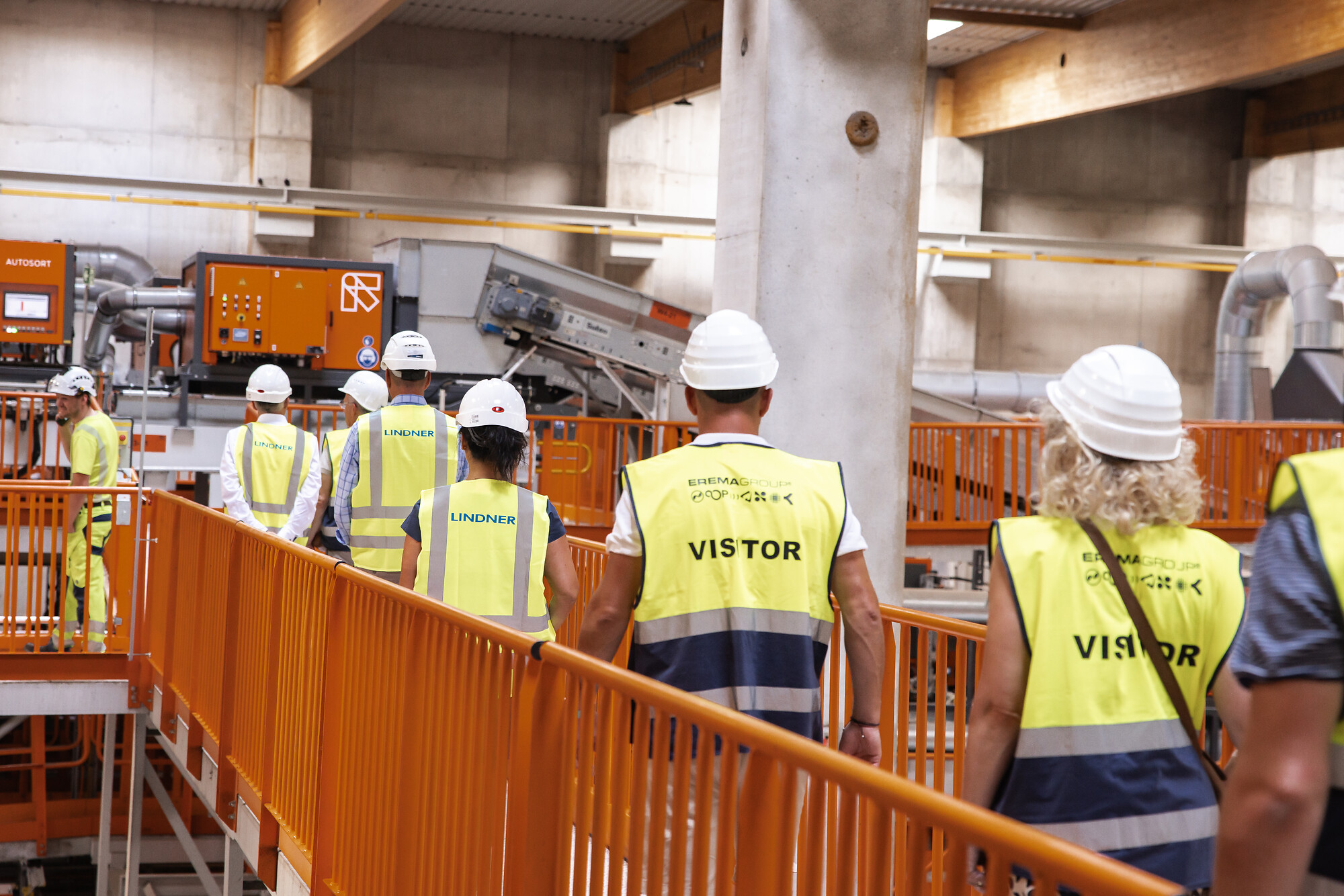
An excursion to Triplast in Ennshafen shifted the focus to the starting point of the recycling process. At one of Europe’s most modern and Austria’s largest sorting plants, participants followed post-consumer streams through the facility – from incoming material to the separation into different fractions. The tour highlighted how strongly sorting influences everything that follows in the recycling value chain.
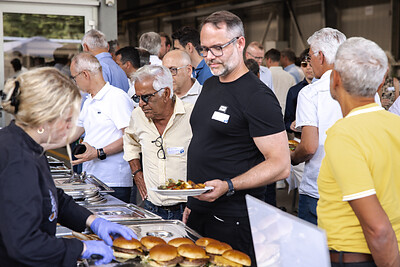
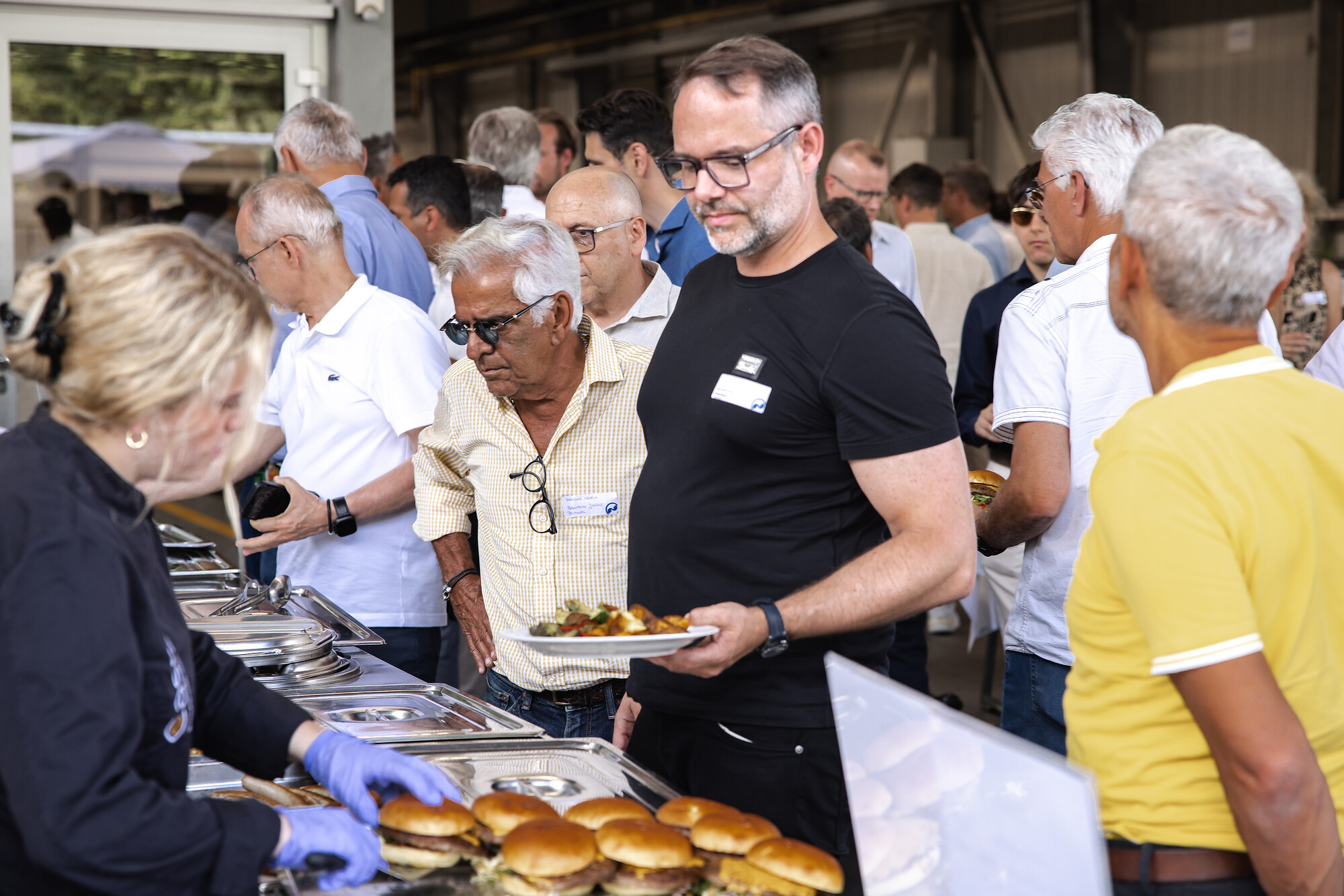
Back at EREMA, the first day concluded with a BBQ that gave participants the opportunity to continue conversations and deepen exchanges.
Turning complexity into results
Day 2 continued to show what it takes to make recycling work in practice. Solving individual challenges is no longer enough.
Clemens Kitzberger (EREMA Group), focused on technologies that help closing the loop. Post-consumer recyclates need to meet clearly defined and increasingly demanding quality standards. In this context, the PPWR was positioned not just as a regulatory framework, but as an opportunity to drive quality and open new application fields.
Communication plays a key role: externally, to explain the value of recyclates to the market, and internally, to ensure close coordination across the value chain. This is where the partnership between EREMA and Lindner Washtech comes in, combining high-end and cost-effective solutions to achieve reliable results at scale.
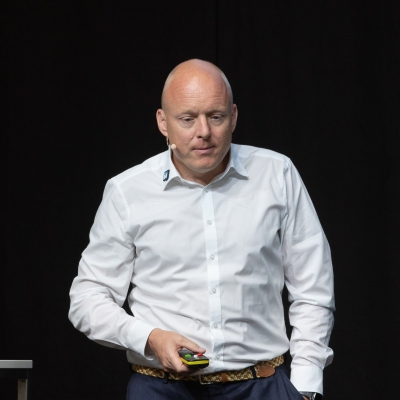
As material requirements increase, the quality expectations for post-consumer recyclates also rise, making stable and reliable processes more important than ever.
Clemens Kitzberger, Business Development Manager Post-Consumer Recycling at EREMA Group
Perspectives from across the value chain
Practical examples showed how these requirements are already being implemented. From film recycling to food-grade applications, experts from various companies demonstrated how higher quality and process stability can be achieved in real production environments.
Monika Dedackova from Re-Plast, a Slovak family-owned recycler, illustrated how LDPE and LLDPE regranulates for demanding film applications are produced reliably using the INTAREMA® TVEplus® DuaFil® Compact. EREMA’s Karl Blaimschein explained the technology behind it, highlighting its broad processing window.
The same technology is also used by SAICA. As Luis Pellejer pointed out, it enables the company to incorporate high shares of post-consumer recyclates into new film products while keeping costs under control.
Marcel Willberg (Lindner Washtech) focused on the highest level in post-consumer recycling. He showed how precisely aligned washing and extrusion technologies from Lindner Washtech and EREMA enable the quality required for HDPE food-grade recycling.
At the same time, Gian De Belder (Procter & Gamble) presented the Flexloop initiative – a recycling approach based on a jointly developed solvent-based extraction process by Lindner and P&G.
Rounding off the technology perspective, Sophie Pachner (EREMA) introduced the new VOLEX technology, while Christoph Krump (EREMA) presented BluPort® as a digital solution for optimising performance in operation.
Across all sessions, one idea stood out: collaboration across the value chain. From sorting and washing to extrusion, filtration and compounding – and further to brand-owner requirements and regulatory frameworks – it became clear that circularity only works when all players align and actively collaborate.
Live demonstrations and deep dives
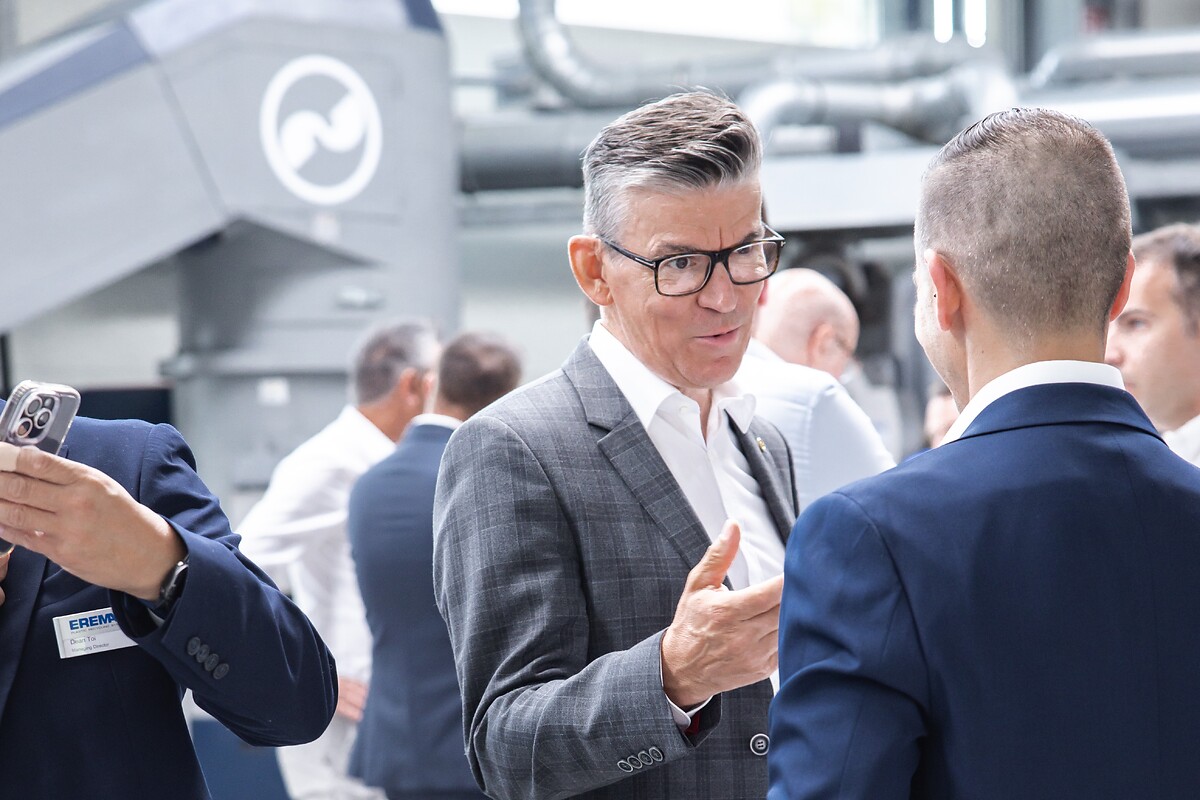
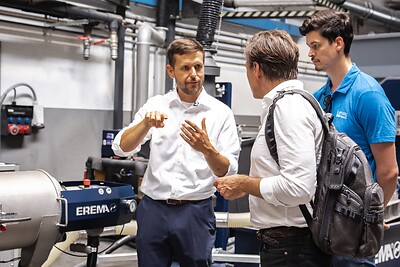
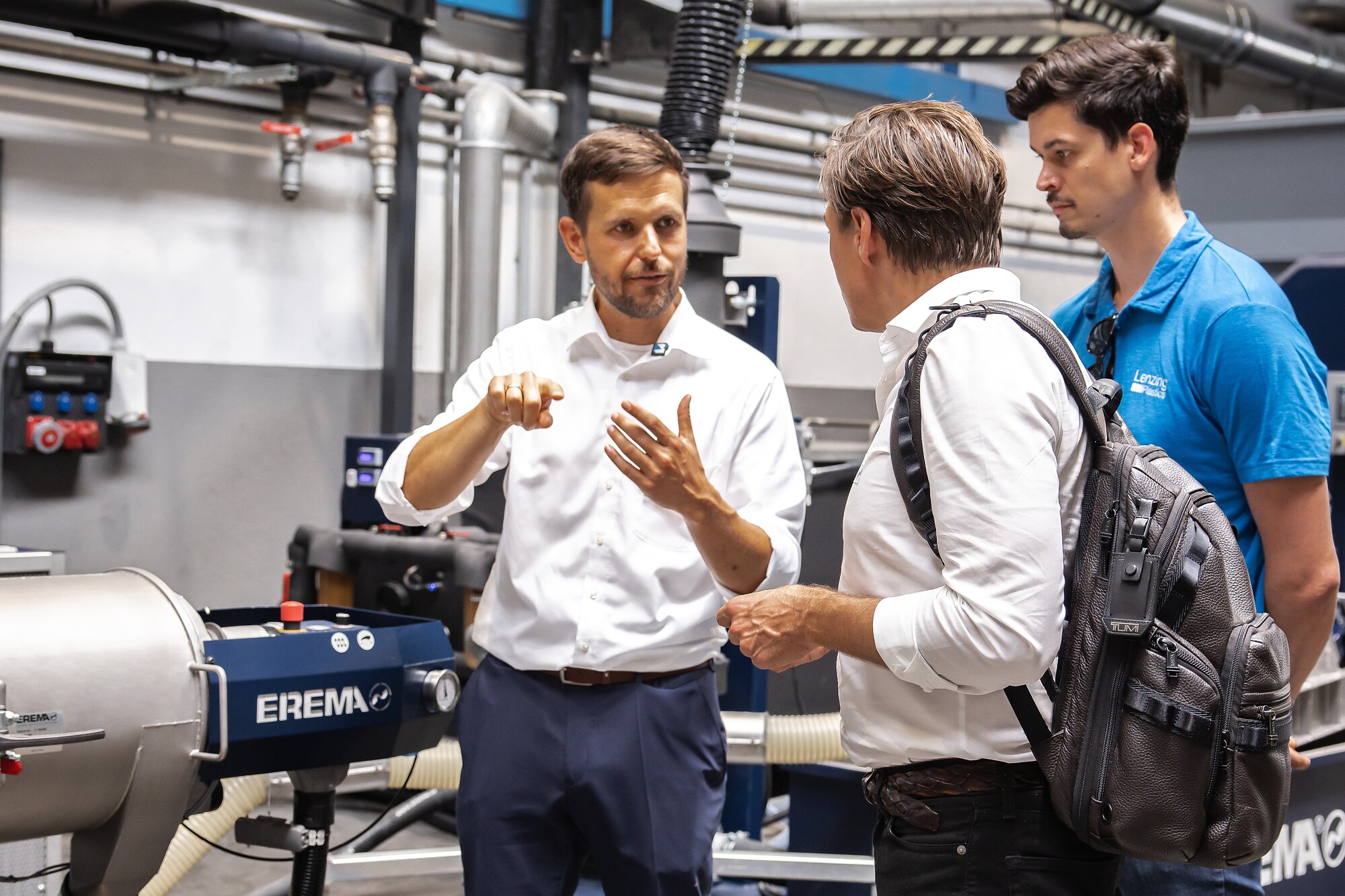
The discussions were directly brought to life. Across the Ansfelden site, participants saw how different technologies perform in real operation and explored various information corners, including:
A strong signal from the industry
The Edvanced Recycling Days showed one thing above all: the transition is already underway. The industry has made significant progress, the required technologies are in place, and the willingness to move forward is growing.
What matters now is turning this momentum into action – driven by those who take responsibility and continue to invest, collaborate and push developments forward.

Sign up for the EREMA Edvanced Recycling Newsletter